
When to Aerate Your Lawn in Massachusetts – The Timing Most North Andover Homeowners Get Wrong

If you already know that your property needs aeration but are trying to figure out when to aerate a Massachusetts lawn specifically, you are already on the right path toward improved lawn health. Aeration is a critical maintenance step that many homeowners skip—often at the cost of long-term turf quality. Many North Andover properties look perfectly healthy on the surface but quietly struggle below ground due to soil that is too densely packed.
When soil becomes compacted, it suffocates your turf. If you notice thinning grass, seasonal water pooling, or fertilizer applications that simply aren’t working, compacted soil is likely the culprit. However, executing this process at the wrong time can do more harm than good, exposing your lawn to intense heat stress or aggressive weed invasions when it’s most vulnerable.
At Downer Brothers, our lawn care Guides manage the specifics of lawn aeration for Massachusetts properties every single season, so we know exactly how tricky local timing can be. We put this breakdown together to help our North Andover neighbors understand exactly when to open up their soil to maximize root depth and build a resilient lawn.
If you want to see how aeration connects with the rest of your property maintenance planning, our complete guide to lawn care in North Andover is a great resource. Below, we are focusing the specifics of aeration timing.
What Lawn Aeration Actually Does (And Why Your North Andover Soil Needs It)
Core aeration vs spike aeration
There are different methods for aerating lawns. Some are manual, some are mechanical.
Here is a summary of the different types of aeration:
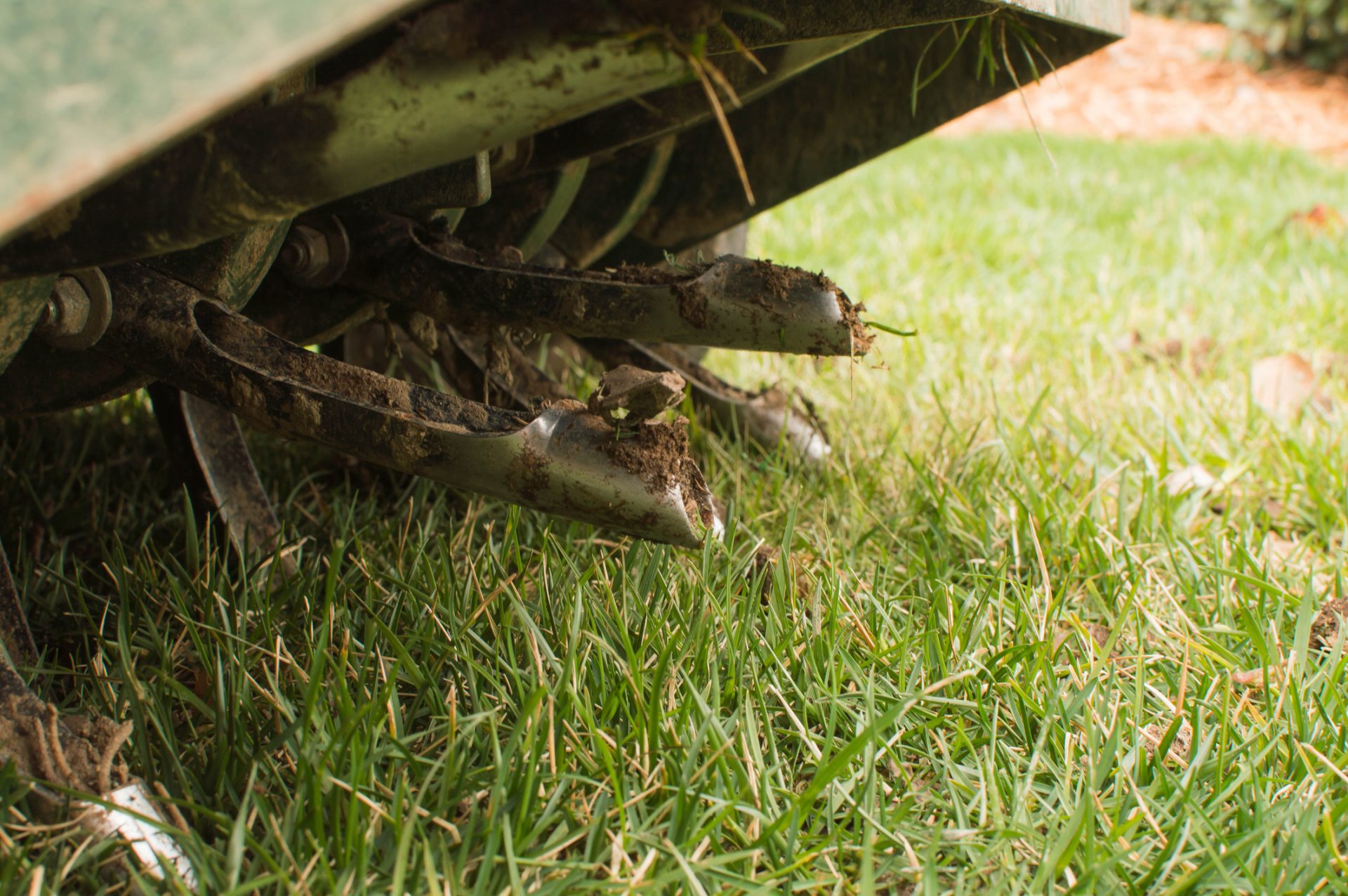
- Core aeration makes more reliable holes in the soil by actively removing a soil “plug”, leaving a hole in the lawn, and can be done with manual or mechanical tools. These tools use hollow tines to easily remove 1-3 inch plugs (see image below).
- Spike aeration tools don’t use hollow tines. You can buy spike aeration shoes that make aerating as simple as walking across the lawn. However, even though they seem efficient, spike aeration tools are not as effective as core aeration tools because they don’t remove plug. The spikes just create holes that fill in easily.
Spring vs. Fall Aeration in Massachusetts — Which Is Better?
While you can technically aerate your lawn in either the spring or the fall, the results are not equivalent.
Fall is the preferred window. This is because cool-season grasses are in their second active growth phase, soil moisture is consistent, and weed pressure is lower than in spring. Choosing to aerate and overseed your Massachusetts lawn in the fall also gives the aeration plugs time to break down before the ground freezes. Together, these factors mean your fall aeration sets up your lawn to enter winter stronger than it left summer. If you want to see how this timing fits into your full-year plan, check out our North Andover lawn care calendar.
Spring aeration is a backup option. If you missed the fall season, you can aerate in early spring—specifically mid-April to mid-May—but you have to manage several challenges. Opening the soil at this time creates ideal conditions for crabgrass and other weeds to germinate, and it can interfere with the pre-emergent applications meant to stop them. Furthermore, this early spring window directly coincides with the emergence of local pests; creating open soil pockets right as the weather warms can invite ticks to harbor in your lawn. If you choose this backup window, it is highly recommended to pair aeration with a professional tick treatment to keep your yard safe, while monitoring current regional risk levels through the Massachusetts Department of Public Health Tick Surveillance data.
If you miss that brief early spring window, it is best to wait until fall. Pushing aeration into late spring—especially May through early June—is a common mistake that opens up the soil just as the grass needs to conserve resources, leaving the turf vulnerable to severe summer heat stress.
The Exact Aeration Window for North Andover, MA
Timing your lawn services correctly is all about matching the work to local seasonal shifts. Here is the general seasonal breakdown for scheduling aeration on Massachusetts properties:
- Optimal: Mid fall – Soil temperatures remain above 50°F, moisture is steady, and your lawn still has at least six weeks to grow before winter.
- Acceptable: Mid April – Mid May – Only if fall was missed, and only once soil has dried out from any snow melt.
- Avoid: June through August (and winter) – The lawn is likely to be under heat stress at the height of summer. Also, avoid aerating frozen or waterlogged soil. You’ll just make compaction worse.
Because New England weather shifts unpredictably from year to year, relying strictly on the calendar isn’t enough. While we use seasonal windows as a baseline target, it is always best to verify actual ground conditions using local data. A great resource is the UMass Landscape Message.
Should You Aerate Before or After Overseeding?
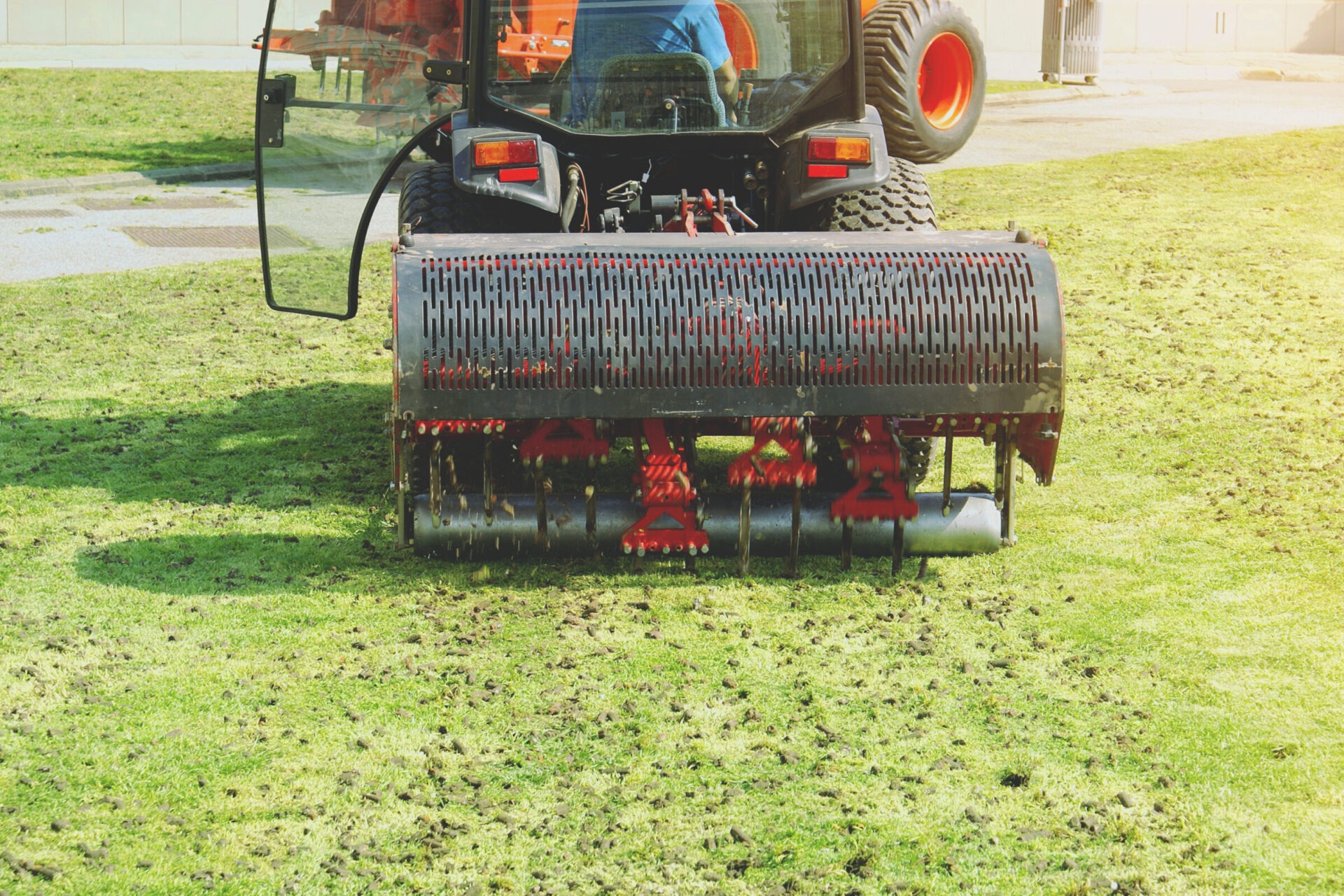
Aerate first and overseed immediately after.
The small channels created during aeration give grass seed direct contact with soil. This improves germination rates and helps new grass establish deeper roots. If you overseed without aeration in compacted Massachusetts soil, much of that seed never takes hold.
Both aeration and overseeding should be done in the same season, during the cooler fall window.
A simple process looks like this:
- Perform core aeration
- Spread seed immediately after
- Apply starter fertilizer, compost, and nitrogen applications if needed
- Water lightly each day for 2-3 weeks until new seeds have germinated
- Return to deep, infrequent watering once new grass is rooted, adjusting for weather patterns and temperature
Fall makes the watering schedule far easier to manage than summer. Cooler temperatures and shorter days reduce evaporation, so you’re not fighting the sun to keep seed moist.
Because these aeration and overseeding both rely on the exact same environmental conditions, our fall lawn care services always group them into a single, combined process rather than treating them as two separate decisions.
How Often Should You Aerate a Massachusetts Lawn?
Most lawns in North Andover benefit from aeration once per year. That’s the standard approach for maintaining healthy soil and steady growth.
However, some lawns need a customized aeration schedule as follows:
- Twice per year if you have heavy foot traffic from kids or pets, or if your lawn sits on heavily compacted glacial soil. A light spring pass plus a full fall aeration improves results in these cases.
- Wait one full growing season before the first aeration on newly installed sod or turf. Roots need time to establish before disruption.
Not sure if its time for aeration? You can test compaction yourself in about thirty seconds. Take a standard screwdriver and try to push it 6 inches into moist soil using only hand pressure. If it goes in easily, you’re fine. If you have to lean on it or it stops short, your lawn needs aeration.
Can You Aerate a Lawn Yourself in North Andover?
You can rent a core aerator from local equipment rental shops, and for some properties that’s a reasonable choice. But the trade-offs are real.
Homeowner-grade rental machines:
- Run shallower (typically 1.5–2 inches of plug depth)
- Cover ground slowly, especially on irregular lots
- Often miss edges and corners where compaction is worst
- Struggle on dense glacial soil, which is exactly the soil type North Andover lawns sit on
Professional equipment:
- Pulls deeper plugs (3–4 inches) that actually reach the compacted layer
- Covers irregular properties efficiently
- Handles dense soil consistently
For a typical North Andover property between 6,000 and 10,000 square feet of turf, professional aeration takes under an hour. When you factor in rental fees, transport time, learning curve, and the shallower depth of homeowner-grade equipment, the value calculation usually favors hiring a pro — not because DIY is wrong, but because the outcome is meaningfully different.
If you want to see how aeration fits into a complete property care program, our lawn care and maintenance services page outlines the full scope.
What Happens After Aeration — North Andover Homeowner Frequently Asked Questions
How Long Does It Take for Aeration Plugs to Disappear?
The plugs break down naturally within two to four weeks. Rainfall and regular mowing help speed up the process. Resist the urge to remove them; they return nutrient-rich organic material back into the soil.
Can I Fertilize Immediately After Aeration?
Yes. Applying a slow-release fertilizer after aeration helps nutrients move directly into the root zone. This pairing is especially effective during fall when your lawn is actively growing.
Do I Need to Water Differently After Aeration?
If you overseeded, you’ll need light daily watering for about two to three weeks. Once the seed establishes, you can return to a deeper, less frequent schedule. If you aerated but didn’t overseed, your usual fall watering routine works fine.
Will Aeration Damage My Irrigation System or Invisible Fence?
Only if the system isn’t marked. Flag your sprinkler heads and underground fence wires with marker flags before the technician arrives. Professional crews aerate around marked flags, and any reputable North Andover lawn care company will either check that this has been done or help you to do it.
Protecting Your North Andover Turf
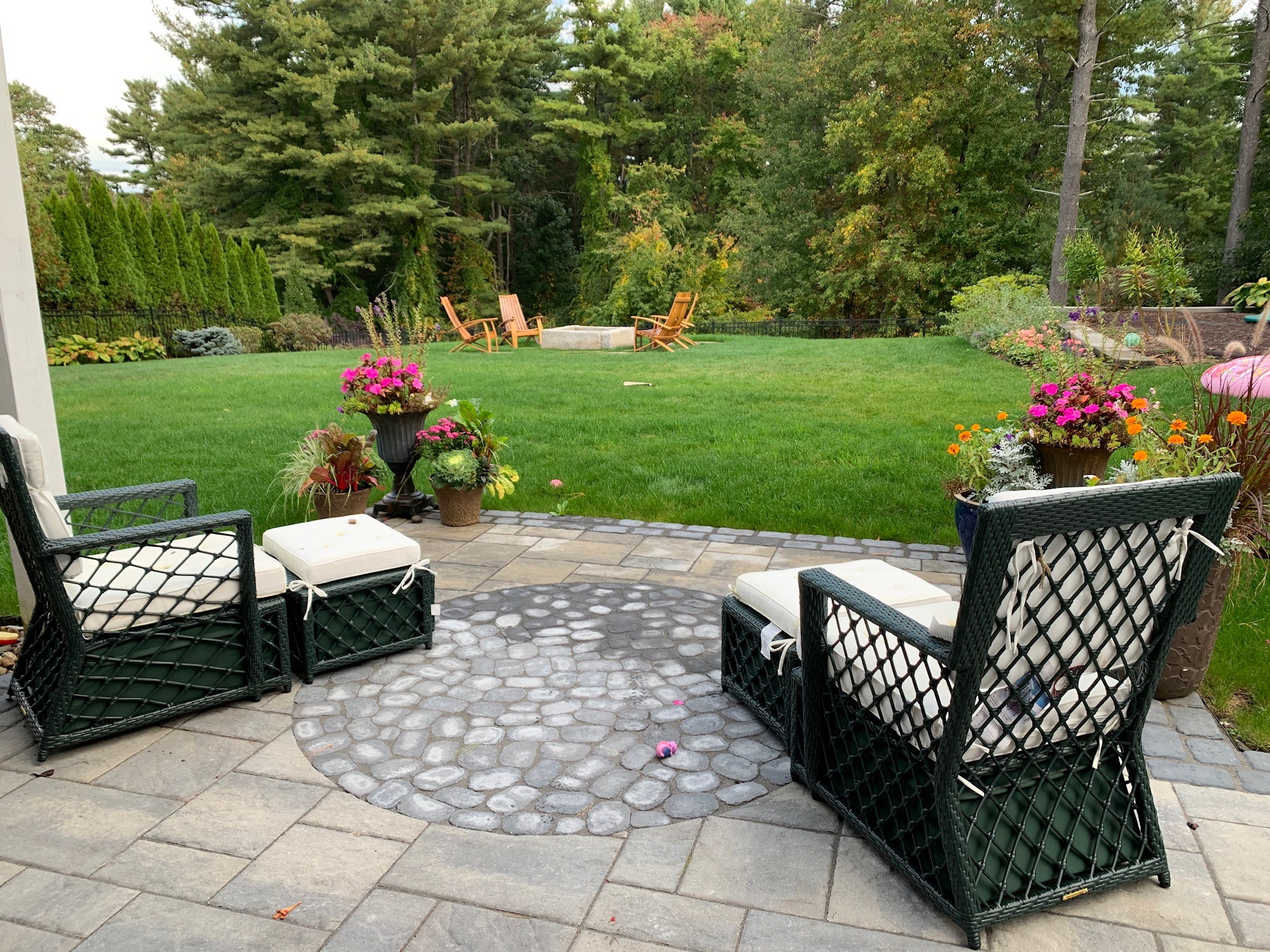
The appearance of your lawn reflects what is happening below the surface. Fixing compacted soil is often key to restoring turf health, but timing is crucial. Opening up the ground during the wrong seasonal window can easily backfire by inviting weeds or stressing out your grass.
Because our lawn care Guides understand the importance of timing due to years of experience with North Andover lawns, we always plan core aeration during the fall. This strategic approach ensures maximum root development and lawn recovery, protecting your turf health while making all your other lawn care investments work significantly harder.
If you want the peace of mind that comes with knowing your property’s seasonal service is locked in and handled at the exact right moment, we are here to help; request a consultation today.
Summary
Knowing the best time to aerate your Massachusetts lawn comes down to understanding our local climate and growing seasons. While early spring serves as a acceptable backup window if you missed the previous year, the optimal time for lawn aeration and overseeding Massachusetts properties is during mid-fall. This timing avoids summer heat stress and heavy spring weed pressure, allowing your soil to properly recover, roots to grow deep, and your the rest of your lawn care routine to deliver maximum results.
Tags: