
Lawn Care in North Andover, MA — What Your Property Actually Needs
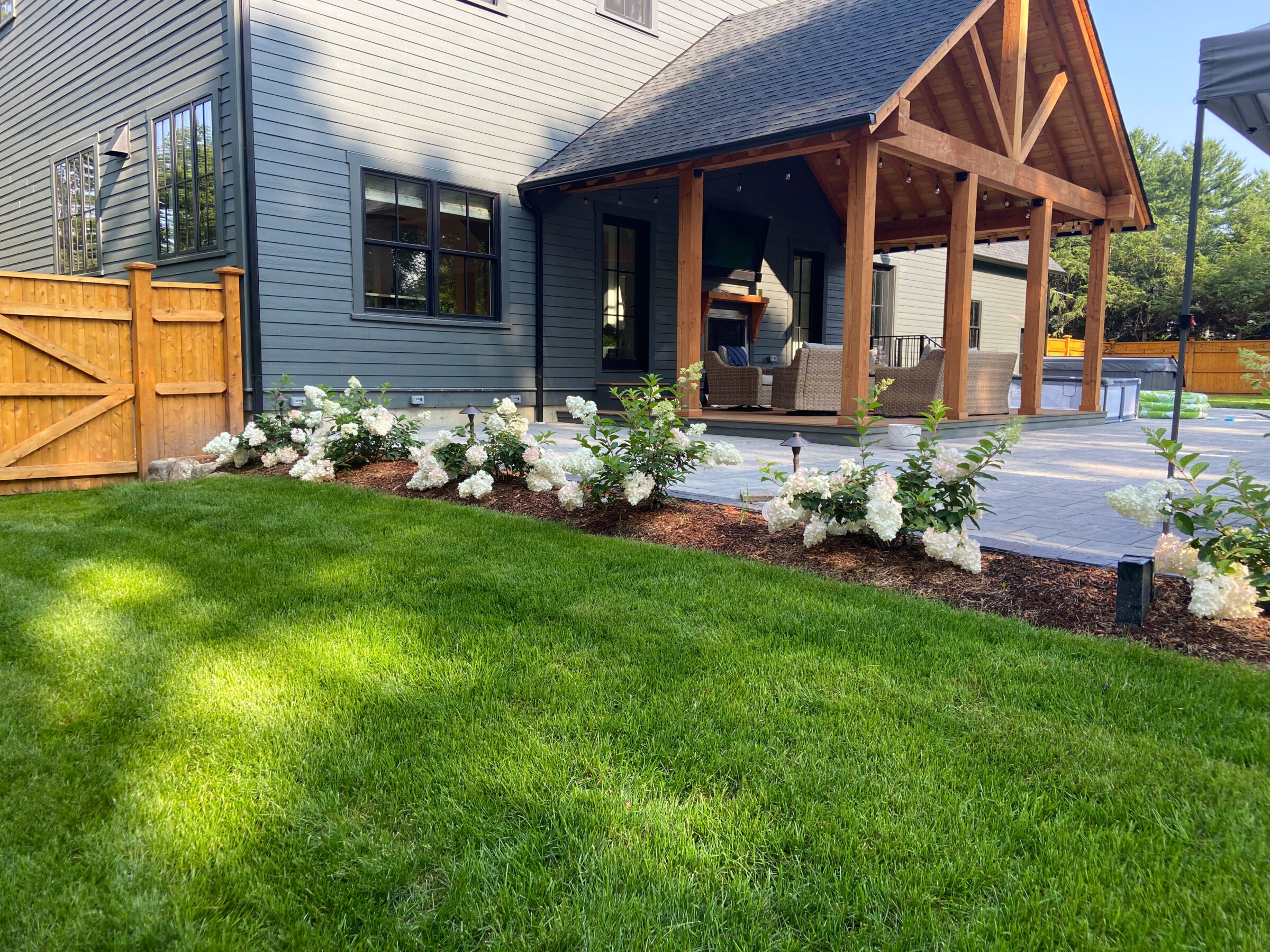
Essex County lawns take a beating that no generic program fully accounts for: rocky glacial soil, local soil conditions, heavy snowfall and spring melt, and heavy fall leaf cover. Lawn care around here needs to be planned around local conditions, not copied from a national checklist.
Your lawn may look healthy in May, but struggle by summer. That pattern is common in North Andover. The issue is rarely one single mistake. It is usually a combination of timing, soil quality, mowing height, water habits, weed pressure, and seasonal cleanup all working together.
For many homeowners, the real frustration is time. You want a property that feels cared for, but you may not want your weekends built around mowing, spreading fertilizer, managing leaves, and figuring out what your lawn needs next.
This guide explains what your property actually needs, when it needs it, and how to think about service quality. Read on for the full guide.
Why Massachusetts Lawns Demand A Different Approach
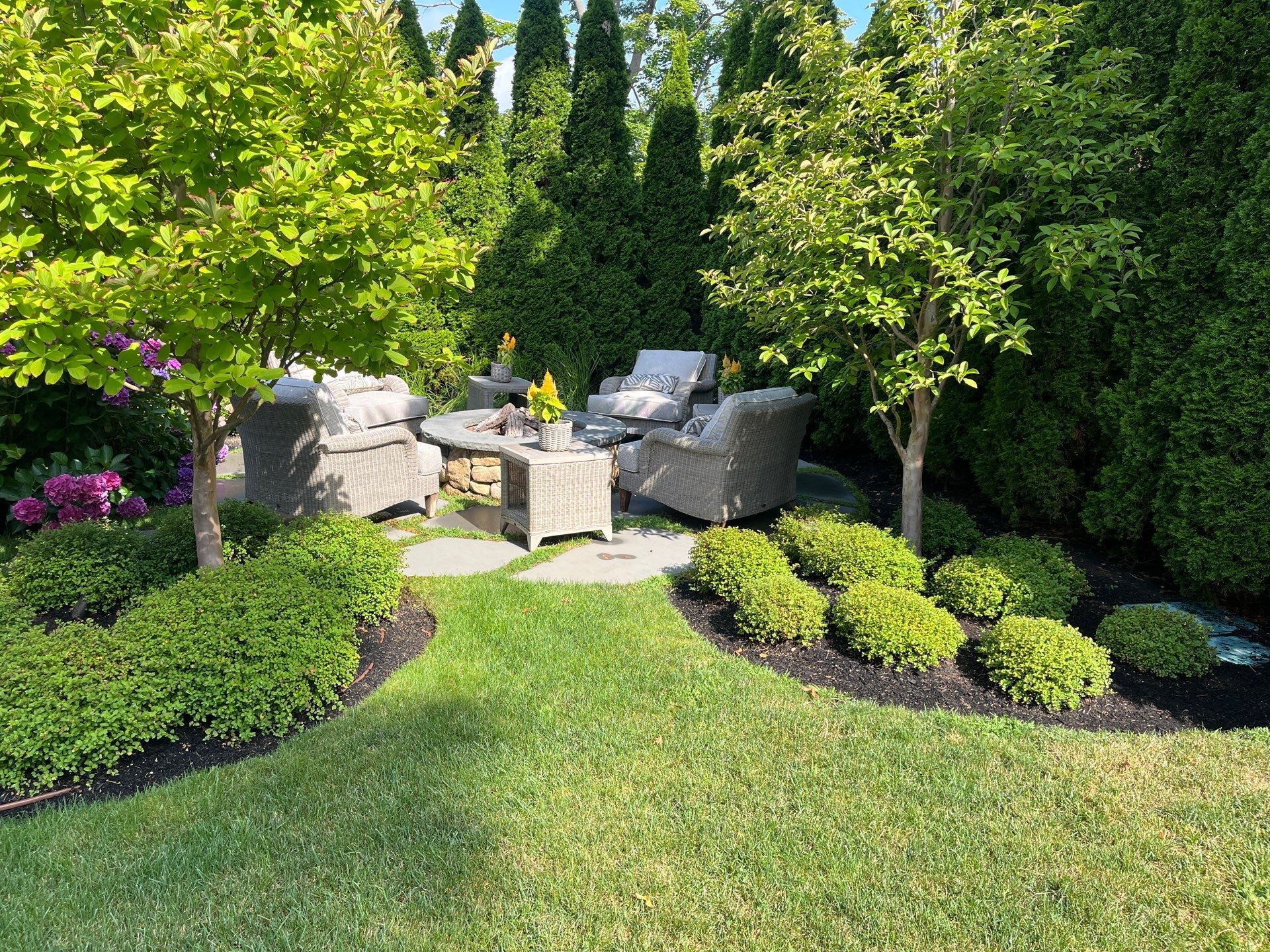
Good Massachusetts lawn care starts with one truth: this region is different.
Depending on where you live on the North Shore, your lawn falls into USDA Plant Hardiness Zone 5, 6, or 7. For homeowners in North Andover’s Zone 5, winter hangs on a bit longer, while coastal spots like Marblehead (Zone 7) get a slight ocean buffer. Across all these microclimates, local lawns face a uniquely compressed active growing season. The last frost often lingers into mid-April or early May, the first frost arrives by mid-October, and the summer weeks in between bring heavy heat stress. In practical terms, your grass has just two strong growth windows: spring and fall.
That matters because local lawns rely on cool-season grasses. The most common grass types include:
- Tall fescue
- Kentucky bluegrass
- Fine fescues
- Perennial ryegrass
According to research from the University of Massachusetts, these varieties are specifically adapted to thrive in moderate New England temperatures. They push growth in spring, slow down during hot summer weather, then recover again in fall. This is very different from warm-season lawns in the South, where summer is the strongest growth period.
Soil adds another layer. Much of North Andover and nearby towns sits on glacial outwash, sandy loam, or rocky glacial till. These soils can drain quickly, dry out during summer, and become compacted from foot traffic, equipment, and seasonal use. That mix makes root development harder.
Fast-draining soil needs organic matter and thoughtful feeding. Compacted soil needs aeration. Thin turf needs overseeding at the right time. When those steps are skipped, your lawn may receive treatments but still fail to build lasting strength.
The Cochichewick Watershed also deserves attention. Fertilizer runoff and product selection matter, especially for properties near water-sensitive areas. A responsible lawn plan considers turf health and local environmental impact together.
That is why generic advice often falls short. What works in Virginia or Ohio may not match the climate, soil, and watershed concerns of North Andover. Strong lawn care in Massachusetts comes from local knowledge, not guesswork.
The Lawn Care Calendar For North Andover And Essex County
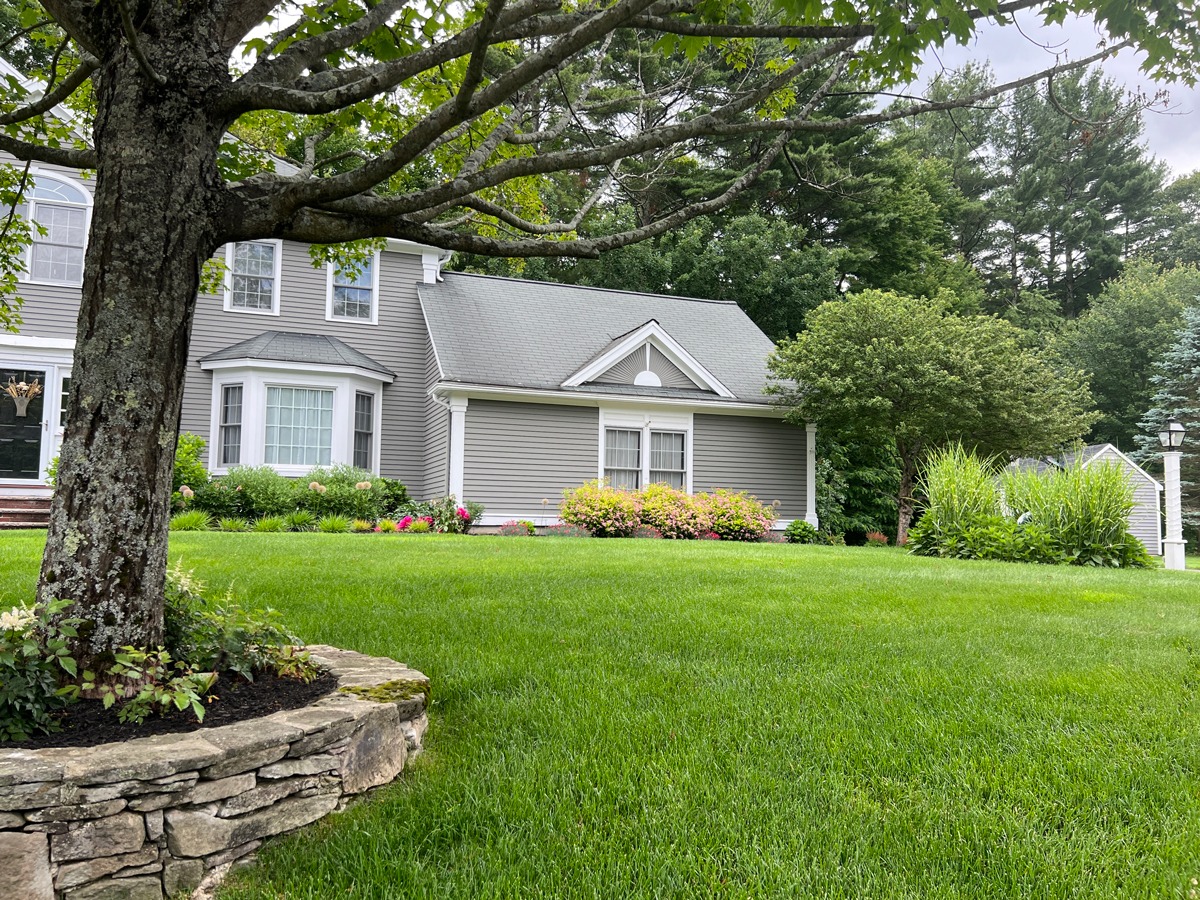
Timing can make or break Massachusetts lawn care. The same service done at the wrong time can deliver weak results. The right service done during the right window can support healthier turf for the entire season. Essex County lawn care requires a thoughtful approach, where soil conditions, climate, and consistent maintenance all play a key role in long-term results.
Spring: Late April Through May
Spring is when your lawn wakes up. Once soil temperatures reach about 50°F, cool-season grasses begin active growth. This is the time to assess winter damage, clear debris, and prepare the lawn for the months ahead.
Spring tasks often include:
- First fertilizer application
- Pre-emergent crabgrass control
- Light cleanup work
Pre-emergent timing is especially important. Apply too early, and it may lose strength before crabgrass germinates. Apply too late, and weeds may already be active.
Early May also serves as a final backup window for core aeration if your soil is severely compacted from winter.
Summer: June Through August
Summer is the stress season. Heat, humidity, drought periods, and foot traffic can weaken turf. Your lawn does not need aggressive treatment during this time. It needs protection.
Your summer focus should include:
- Mowing at 3.5 inches or higher during dry periods
- Deep, infrequent watering
- Monitoring for insects and disease
- Grub control
- Anti-fungal treatments
- Tick and mosquito treatment
- Avoiding heavy renovation work
- Pause on heavy fertilizer treatments by early June (Restart in the fall)
Cutting grass too short in summer is one of the fastest ways to weaken it. Taller grass shades the soil, protects roots, and helps reduce weed pressure.
Fall: September Through October
Fall is the most valuable season for lawn care Massachusetts planning. Soil is still warm, air temperatures are cooler, and grass roots can grow strongly before winter.
Fall is ideal for:
- Core aeration
- Overseeding
- Slow-release nitrogen feeding
- Leaf management
- Repairing thin or worn areas
- Lawn renovations via compost applications
This is when long-term lawn improvement happens.
Winter: November Through March
Winter is quiet, but it still affects spring performance. Avoid heavy traffic on frozen turf. Watch for vole damage under snow cover. Use winter as planning time so spring service starts on schedule.
For deeper timing details, see the our detailed Lawn Care & Maintenance services for North Andover.
Lawn Care Services Every North Andover Property Needs
A healthy lawn does not come from one treatment. It comes from consistent property care, matched to local soil and seasonal timing. The right plan for Massachusetts lawn care usually includes mowing, fertilizing, aeration, overseeding, weed management, and cleanup support. When these services work together, your lawn becomes stronger, more balanced, and better able to handle seasonal stress without constant correction or reactive treatments.
Weekly Mowing
Mowing may seem simple, but it has a major effect on lawn health. For Essex County cool-season grasses, mowing height usually works best between 3 and 4 inches. This feels high to most homeowners, but grass at this height actually helps prevent weed growth by crowding out the available sunlight, and also helps retain moisture in the hot summer months.
A strong mowing routine includes:
- Sharp blades
- Consistent mowing height
- Clipping management
- Adjustments during drought
- Care around beds, trees, and walkways
Sharp blades matter because dull blades tear grass. Torn grass loses moisture faster and becomes more vulnerable to disease.
Fertilizing
Fertilizer timing matters in North Andover. An April application is different from a Memorial Day application because grass growth, soil temperature, and weed pressure change quickly.
Slow-release fertilizer feeds turf gradually. Quick-release fertilizer produces faster color response but needs careful use. A well-managed plan avoids pushing growth when the lawn is already under heat stress.
Avoid fertilizing during the hottest periods of the summer. It’s more likely to further damage stressed lawns than help—save the heavy feeding for the cooler fall months when it can ad recovery.
Aeration
North Andover soil often compacts. When that happens, water, oxygen, and nutrients struggle to reach the root zone.
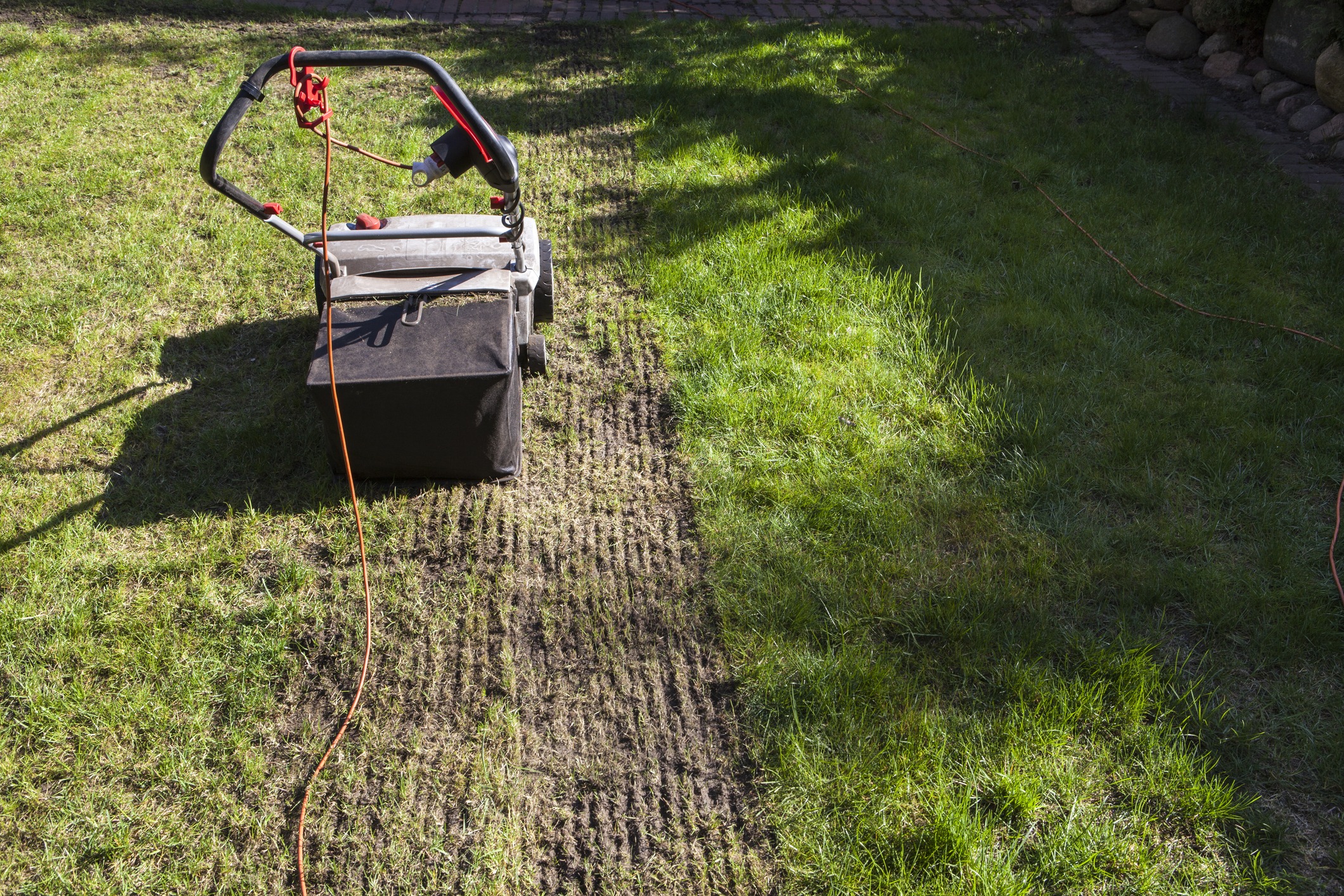
Core aeration removes small plugs of soil to open space for better movement. For many properties, annual aeration is helpful. For high-use lawns or rocky, compacted areas, biannual aeration may be worth considering.
In general, it’s best to aerate in the fall when soil temperatures are still warm enough for growth, but the heat stress of summer has passed. However, early May is a backup window, especially if spring property updates reveal that your soil is severely compacted and cannot absorb nutrients heading into summer.
Overseeding
Overseeding adds new grass seed into existing turf. In Massachusetts, the best window is usually September through October.
This helps your lawn:
- Fill thin patches
- Improve density
- Crowd out weeds
- Recover from summer stress
For many properties, overseeding is one of the highest-value renovation strategies.
Weed Management
Local lawns face annual weeds like crabgrass and perennial weeds like dandelion and clover. Pre-emergent products help prevent certain weeds before they grow. Post-emergent treatments address weeds that are already visible.
The goal is not to chase every weed after it appears. The goal is to build dense turf so weeds have less room to establish.
Should You Choose Organic Or Conventional Lawn Care?
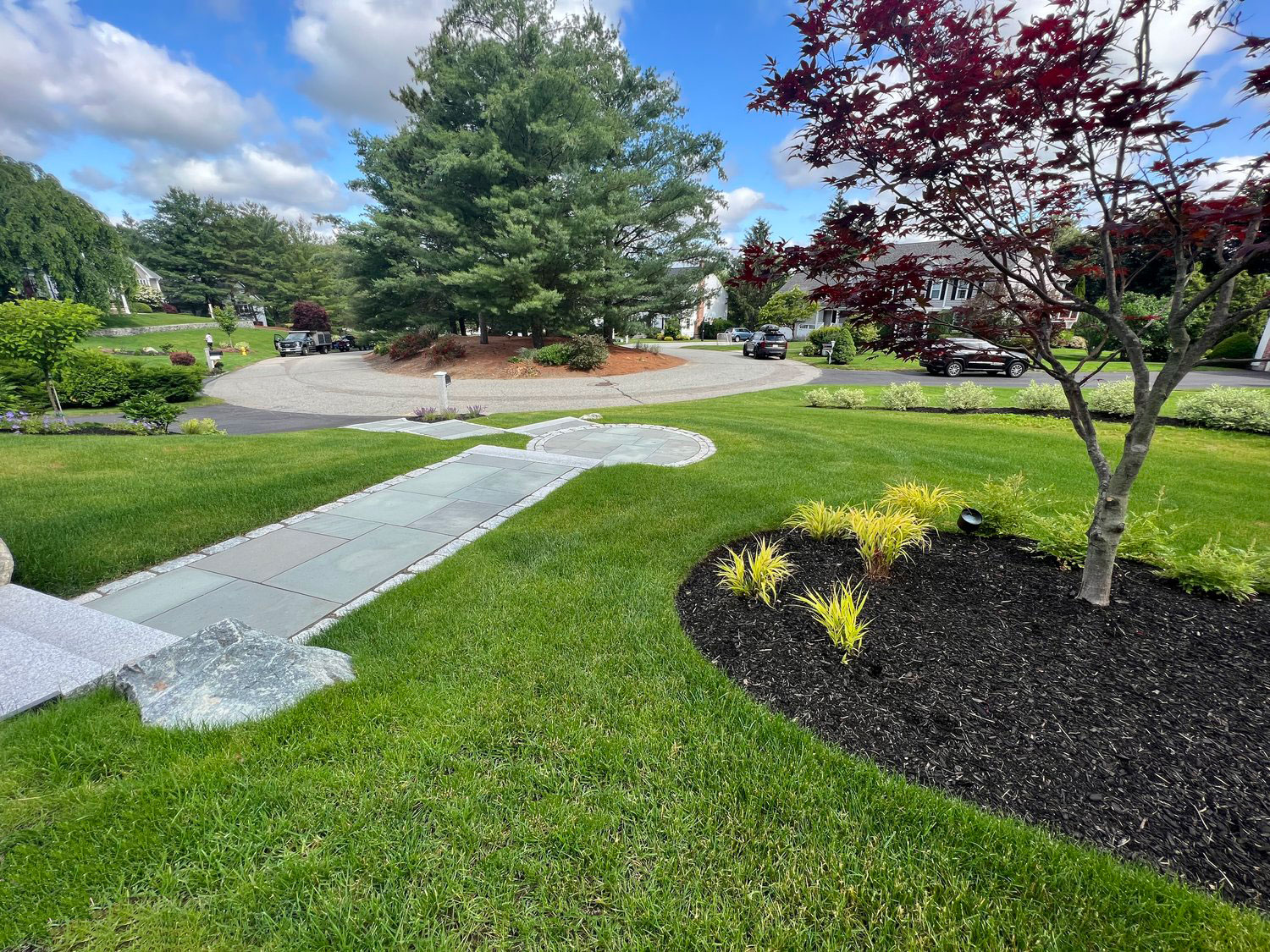
Homeowners often ask whether organic or conventional care is better. The honest answer is that it depends on your property, your priorities, and your timeline. Some lawns respond quickly to targeted treatments, while others benefit from a slower, soil-focused approach. Your choice should reflect how you use your outdoor space, your comfort level with different products, and the level of involvement you want in maintaining long-term lawn health.
Many families researching organic lawn care Massachusetts are thinking about pets, children, soil health, and watershed protection. Those are valid concerns, especially in North Andover.
Organic Lawn Care
Organic programs focus on feeding the soil so the lawn becomes healthier over time. They often rely on natural inputs, soil amendments, compost-based materials, and products that support biological activity.
Organic care may be a good fit when you want:
- A soil-first approach
- Reduced synthetic inputs
- A family-conscious program
- Long-term turf health
The tradeoff is patience. Organic programs often take one to two seasons before you see their full impact.
Conventional Lawn Care
Conventional programs can deliver faster and more predictable turf response. They may be appropriate for lawns with significant weed pressure, nutrient deficiencies, or visible decline.
Used correctly by licensed professionals, conventional products can be applied with care and precision. The key is responsible timing, accurate application rates, and clear recordkeeping.
Hybrid Lawn Care
Many high-end residential properties benefit from a blended plan. This allows your lawn care provider to adjust based on soil condition, lawn performance, environmental goals, and your comfort level.
A hybrid approach may include organic soil support with targeted conventional treatments where needed. This avoids a one-size-fits-all plan and gives your lawn what it actually needs.
That kind of flexibility is especially useful for North Andover lawn care, where two properties on the same street can have different shade, drainage, soil, and use patterns.
Tick And Mosquito Control – A Non-Negotiable For North Andover Yards
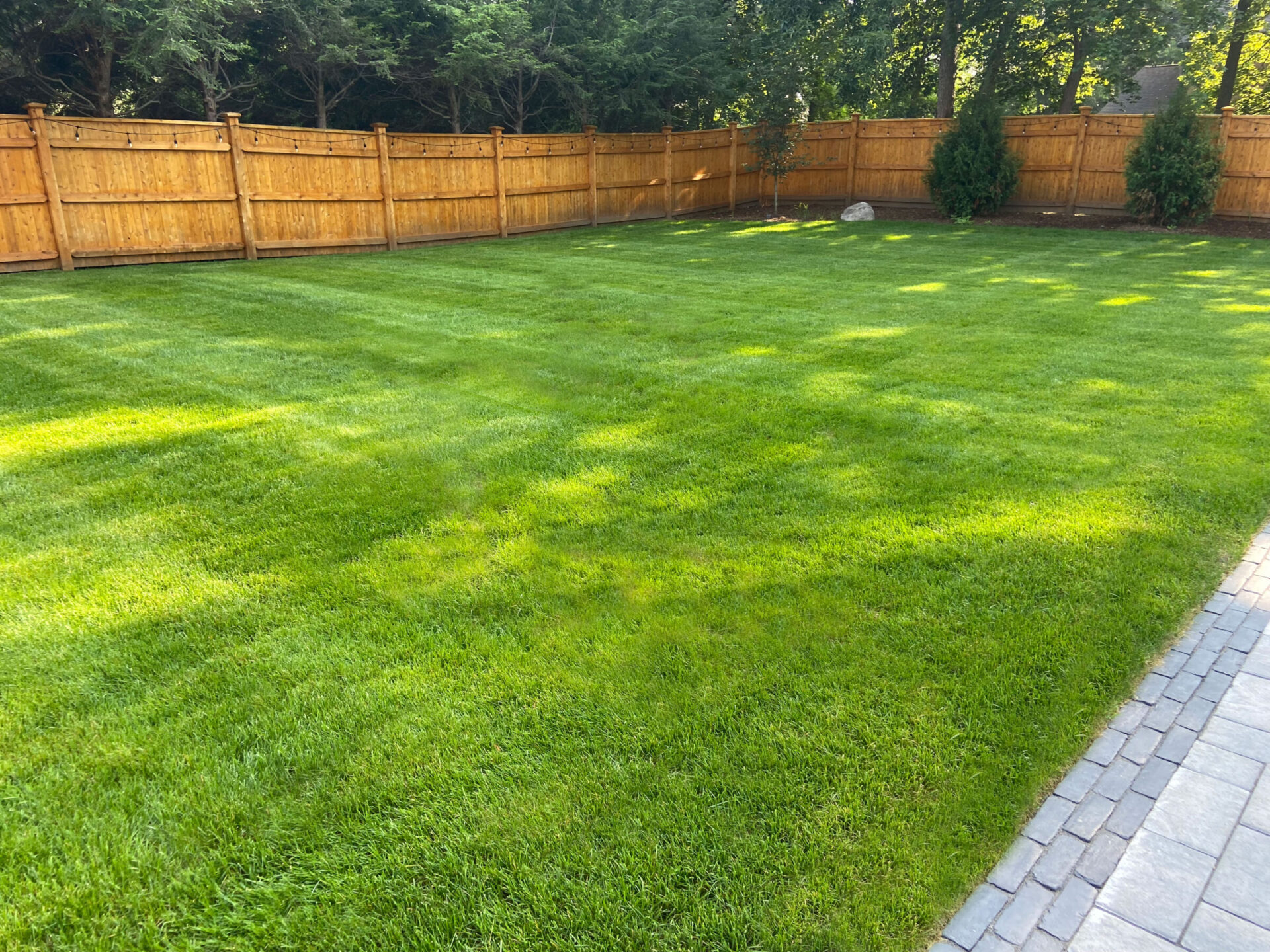
A polished lawn should also feel usable. In North Andover, that means tick and mosquito control belongs in the conversation. Without proper management, these pests can limit how often you and your family enjoy your outdoor space. Consistent treatment helps reduce activity in high-risk areas, making your yard more comfortable for relaxing, entertaining, and everyday use throughout the warmer months.
According to data from the Massachusetts Government’s Tickborne Disease Surveillance Report, Essex County experiences consistently high tick activity, and wooded residential properties create the ideal habitat for these pests. Ticks are most often found where lawns meet natural areas, stone walls, leaf litter, perennial beds, and shaded edges. Because of this the margins of your yard carry most of the risk.
A seasonal program typically focuses on:
- Property borders
- Wooded edges
- Shrub lines
- Tall grasses
- Leaf litter areas
- Moist, shaded zones
Treatments often begin in April and continue through the first freeze. This timing matters because ticks can become active early in the season, especially during mild weather.
Mosquito control also benefits from a seasonal plan. Mosquitoes breed in standing water and rest in shaded plant material. Even small sources of water can become a problem.
Examples include:
- Low spots in the lawn
- Clogged gutters
- Buckets or planters
- Drainage areas
- Dense plantings near patios
Families who prefer a natural approach can ask about organic treatment options. These may be used around outdoor living areas, lawn edges, and common gathering spaces.
For many properties, pest control is part of comfort. You want your yard to be a place where your family can relax, host friends, and enjoy the season without constantly checking for ticks.
Spring And Fall Cleanups – Why They Matter More Than People Think
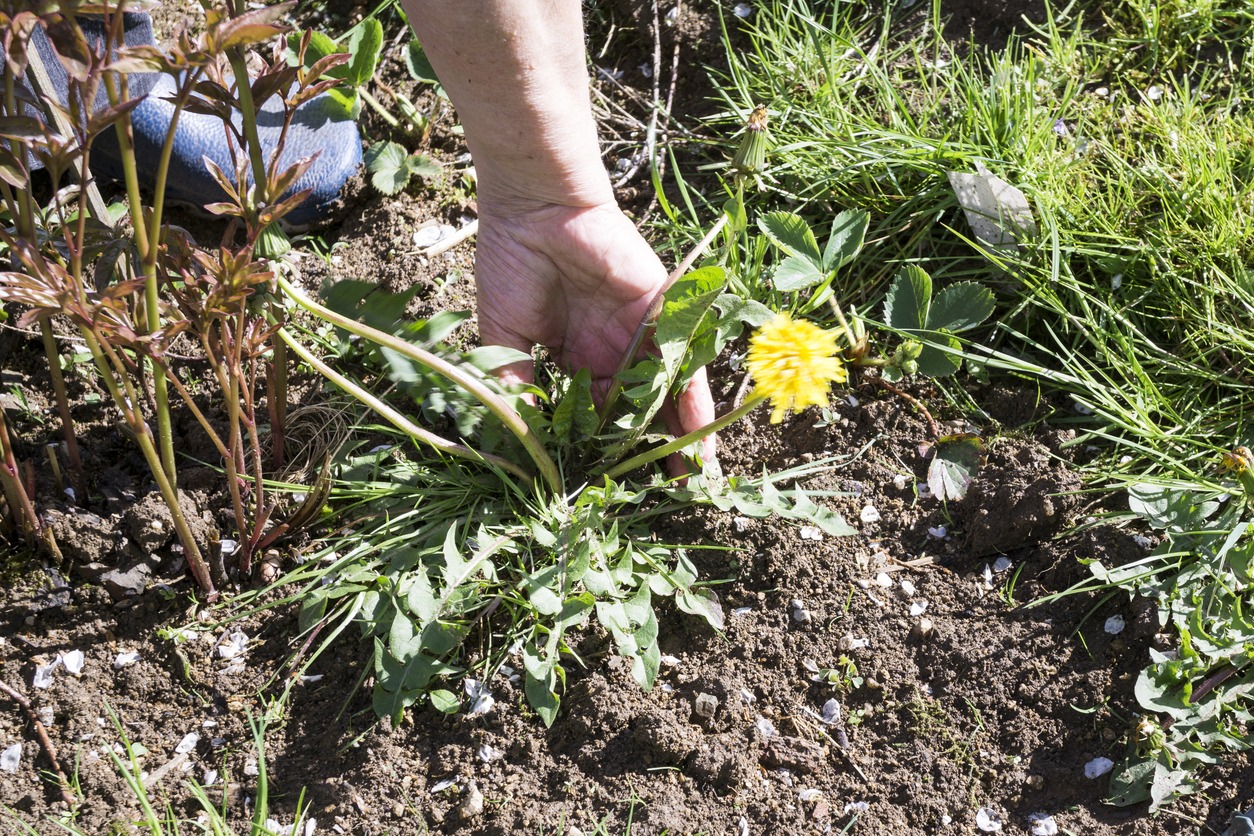
Cleanups are often treated as cosmetic, but they play a major role in turf health. A clean property is easier to maintain, easier to inspect, and better prepared for each season. Removing built-up debris allows sunlight and air to reach the turf, which supports stronger growth and reduces disease risk. It also helps you spot problem areas early, whether it’s thinning grass, pest activity, or drainage issues, so they can be addressed before they spread.
Spring Cleanup
Spring cleanup resets your property after winter. Snow, wind, ice, and plowing can leave debris across beds, lawn edges, and walkways.
A spring cleanup may include:
- Removing sticks, branches, and winter debris
- Cutting back dead perennial material
- Light pruning
- Re-edging beds
- Cleaning lawn edges
- Looking for vole trails or turf damage
This is also a good time to identify areas that need repair. Thin turf, compacted strips, and salt-damaged edges should be addressed early.
Fall Cleanup
Fall cleanup has an even bigger impact. Leaves left on the lawn can block sunlight, trap moisture, and smother grass. By spring, those areas often appear thin, yellow, or dead.
This is especially true for properties with mature trees. North Andover lawns often sit near wooded areas, which makes leaf management a recurring task.
A strong fall cleanup includes:
- Leaf removal
- Bed clearing
- Final mowing
- Debris removal
- Lawn inspection
- Winter preparation
Poor fall cleanup often leads directly to weak spring turf. The lawn enters winter covered, damp, and deprived of light. By April, you may already be behind.
Cleanups also support garden beds and overall property appearance. For homeowners who want a refined exterior, seasonal cleanup connects lawn health with full property care.
You can also learn more about our Garden and Property Maintenance services and how they contribute to the overall health and appearance of your outdoor spaces.
This is where residential lawn maintenance North Andover becomes broader than grass alone. Your lawn, beds, trees, paths, and edges all work together.
How To Choose A Lawn Care Company In North Andover
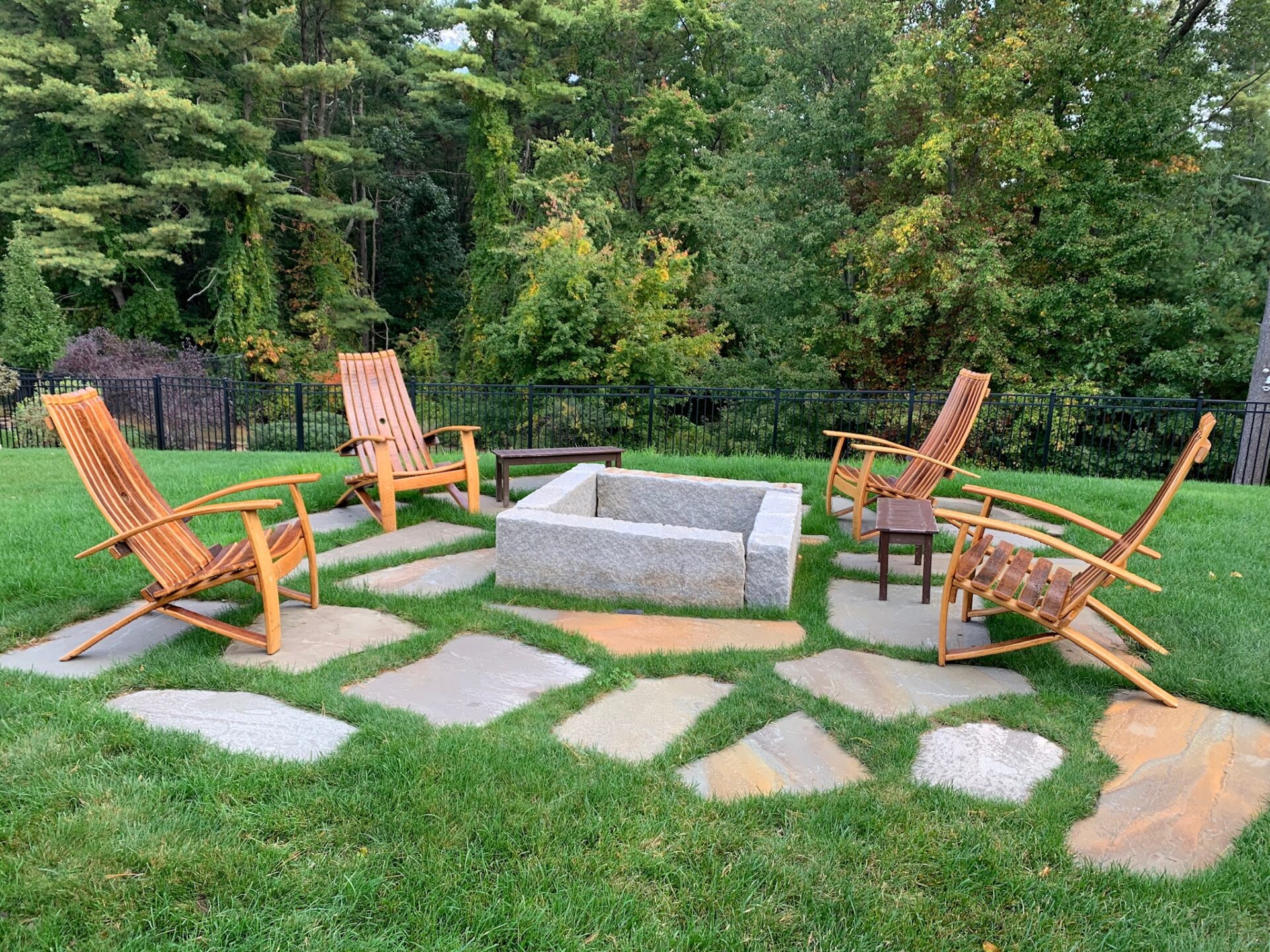
Choosing the right company is one of the most important decisions you can make for your property. The right team will understand your lawn, communicate clearly, and adjust as conditions change. They should also take the time to explain what they’re doing and why it matters, so you feel confident in every step of the process. A reliable team brings consistency, attention to detail, and a long-term approach that supports your property year after year.
When comparing North Andover landscapers, ask practical questions.
Questions To Ask
- Are you licensed for fertilizer and pesticide applications?
- Will the same crew know my property?
- How are treatments recorded?
- Do you offer organic options?
- Who do I contact with questions?
- How do you handle weather delays?
- How do you adjust service based on lawn condition?
These questions reveal how organized the provider is.
Why Crew Consistency Matters
Rotating crews can create gaps. One crew may notice a drainage issue, while another may miss it the following week. One person may know where turf is thin, where the irrigation oversprays, or where equipment needs extra care.
A consistent team builds familiarity. That familiarity leads to better decisions.
Why A Single Touch Point Matters
For busy homeowners, communication is often as important as the work itself. You should not have to explain the same concern to three different people.
A single touch point gives you:
- Clear answers
- Better follow-through
- Stronger accountability
- A relationship with someone who knows your property
At Downer Brothers, the person who meets you is not there to talk you into a generic program. They are your guide. Their job is to understand your property, your priorities, and how you want your outdoor space to fit your life.
That approach reflects a simple belief: professionals deserve to work with professionals. You get your time back, and your property gets care from people who take pride in doing things the right way.
It also reflects the company’s roots. As a family-owned, community-involved team, Downer Brothers cares about the way work is done, the people doing it, and the community where that work happens.
What To Expect When You Start Lawn Care Service With Downer Brothers
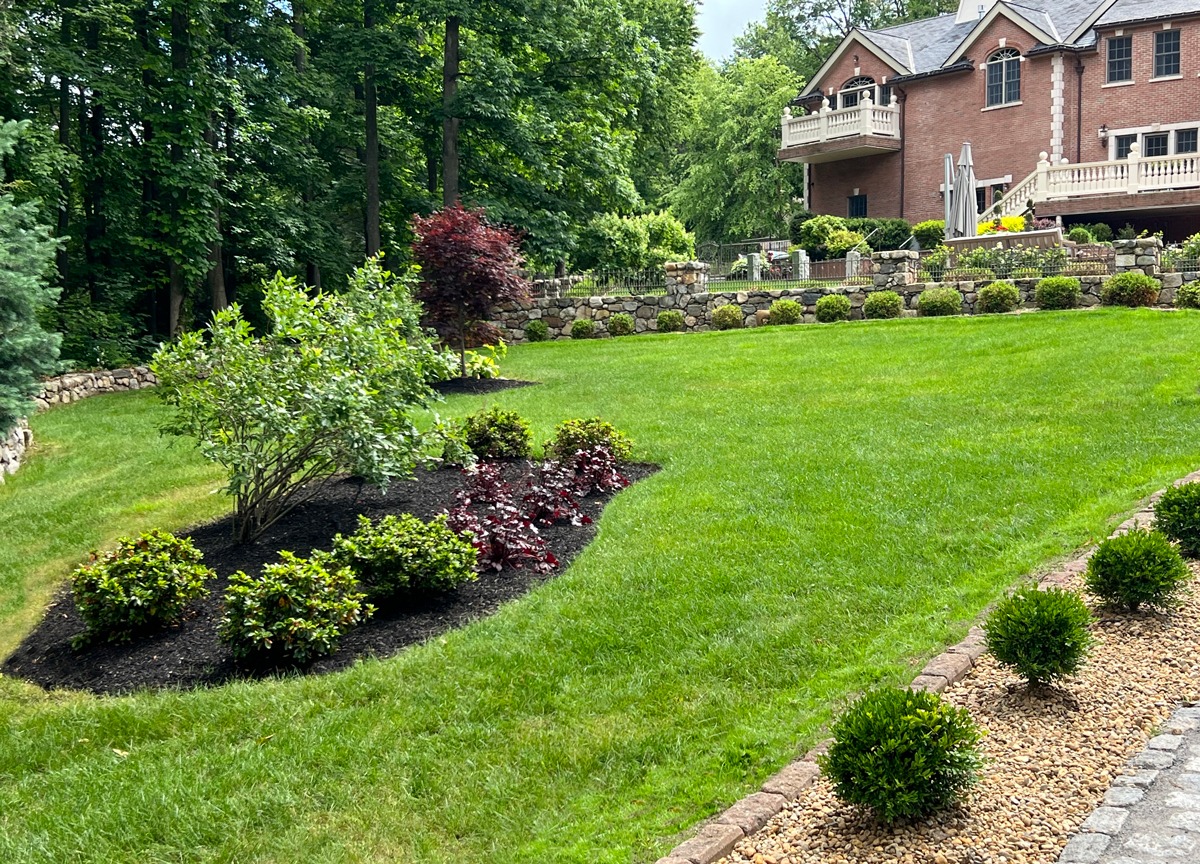
Starting a lawn care program should feel organized, clear, and personal. You should understand what is happening, why it matters, and what results are realistic.
Here is what the process typically looks like.
1. Consultation
The first step is a conversation. This is where your goals, concerns, and property history come into focus.
You may want thicker turf, better weed control, safer outdoor use, cleaner edges, or a stronger seasonal plan. Your priorities shape the recommendation.
2. Property Walkthrough
A walkthrough helps identify real site conditions.
This may include:
- Soil compaction
- Drainage issues
- Shade patterns
- Weed pressure
- Thin turf
- Irrigation patterns
- Pest-prone areas
- Bed and border condition
This step matters because two lawns can look similar from the street but need very different care.
3. Program Recommendation
After reviewing the property, your guide can recommend a plan. That plan may include mowing, fertilization, aeration, overseeding, cleanup, tick and mosquito treatments, or a blend of organic and conventional care.
The goal is to provide value through the right work at the right time.
4. First Service Visit
Once service begins, the team starts building consistency. Notes from the walkthrough guide the work. Over time, your property history becomes part of the plan.
Expect honest timelines. Organic programs may take one to two seasons to show their full results. A neglected lawn may need renovation before maintenance can hold. Thick, healthy turf is built through steady care.
This is where the “Love What You Do” message comes in. You hired help so your Saturday morning can be spent doing what you love, not pushing a spreader around your yard.
Ready to plan your property care? Request A Consultation and get a clear path for your lawn before the next growing season.
Summary
Massachusetts lawn care works best when your lawn plan matches local soil, cool-season grass cycles, seasonal timing, and property needs. North Andover homeowners get better results when they focus on aeration, overseeding, mowing height, responsible feeding, pest control, and seasonal cleanup.
When these elements are handled consistently, your lawn becomes more resilient year after year. Strong root systems develop, turf density improves, and weed pressure naturally decreases. You also reduce the need for reactive treatments because your lawn is better equipped to handle stress from heat, foot traffic, and changing weather conditions. Over time, this approach creates a more stable, predictable lawn that supports both appearance and usability across every season.
Tags: