
Tick and Mosquito Control in North Andover, MA – What Essex County Homeowners Need to Know
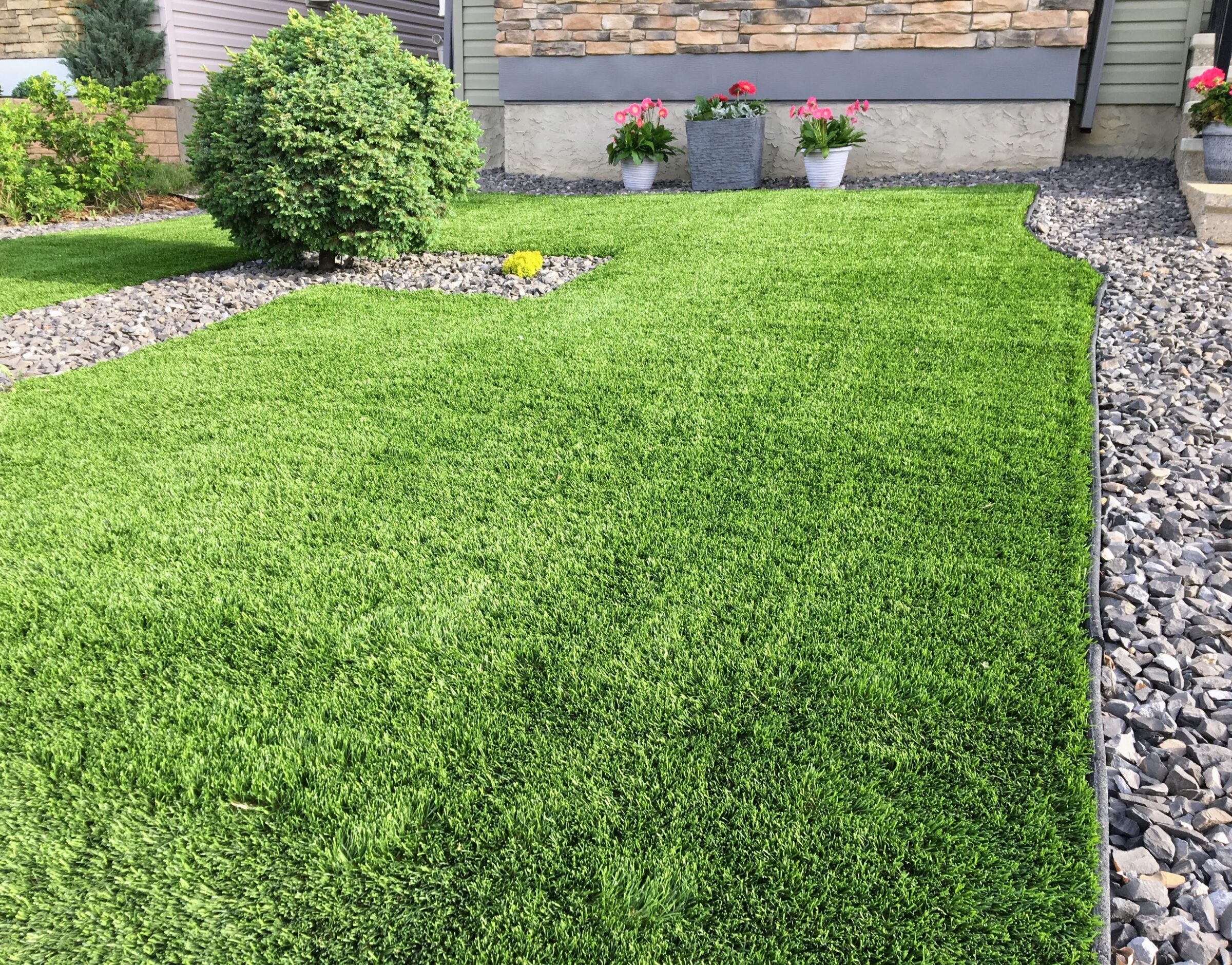
You step outside to enjoy your yard, but something feels off. Maybe it’s the constant presence of mosquitoes near your patio. Maybe it’s finding a tick after a quick walk along your lawn’s edge. In North Andover, this isn’t unusual; it’s part of living in a landscape where nature sits right alongside your property. But ignore it, and a relaxed afternoon quickly turns into an anxious health worry.
Because Essex County consistently logs some of the highest tick-burden rates in the state, generic yard advice simply won’t cut it. To truly protect your yard, your family, and your time, implementing proactive, localized tick control for Massachusetts conditions is essential.
This guide breaks down exactly where these pests harbor in a North Andover yard, how targeted barrier applications actually work, and the right seasonal timeline to stop them. If you want to reduce risk and manage your yard with confidence, continue reading.
For a broader view of seasonal care, you can also explore our Complete Lawn Care Guide for North Andover.
Why North Andover Has One of Massachusetts’ Highest Tick Risks
Essex County consistently ranks among the highest-burden counties for ticks, according to Massachusetts Department of Public Health surveillance data (2023). Blacklegged ticks, which carry Lyme disease, and lone star ticks are both active in this region.
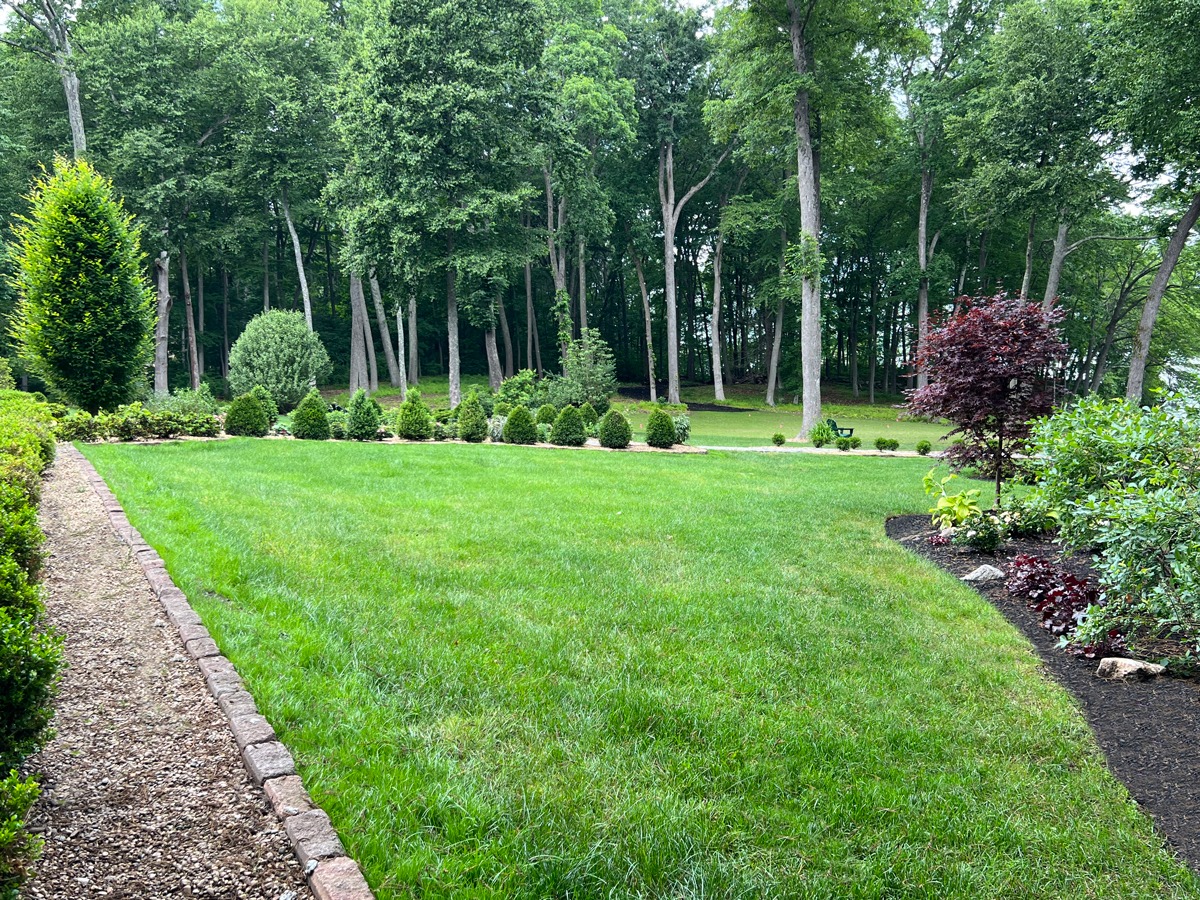
Your property plays a direct role in this risk. North Andover is defined by wooded residential lots, mature landscaping, and proximity to conservation land like Harold Parker State Forest. These natural features create ideal habitats for ticks.
Understanding the tick lifecycle helps you take action at the right time. The nymph stage, active from May through July, is responsible for most Lyme disease cases. These ticks are small and often live in leaf litter or shaded lawn edges within nine feet of wooded areas. Because they are so small, they are easy to miss during outdoor activities, which increases the likelihood of unnoticed exposure during everyday use of your yard.
This means your yard, not just nearby forests, is where exposure often happens. Massachusetts tick control strategies need to focus on these residential zones, not just open land or trails. By concentrating on these high-risk transition areas, you create a more effective approach that reduces tick presence where your family and guests spend the most time outdoors.
Where Ticks Live in a North Andover Yard
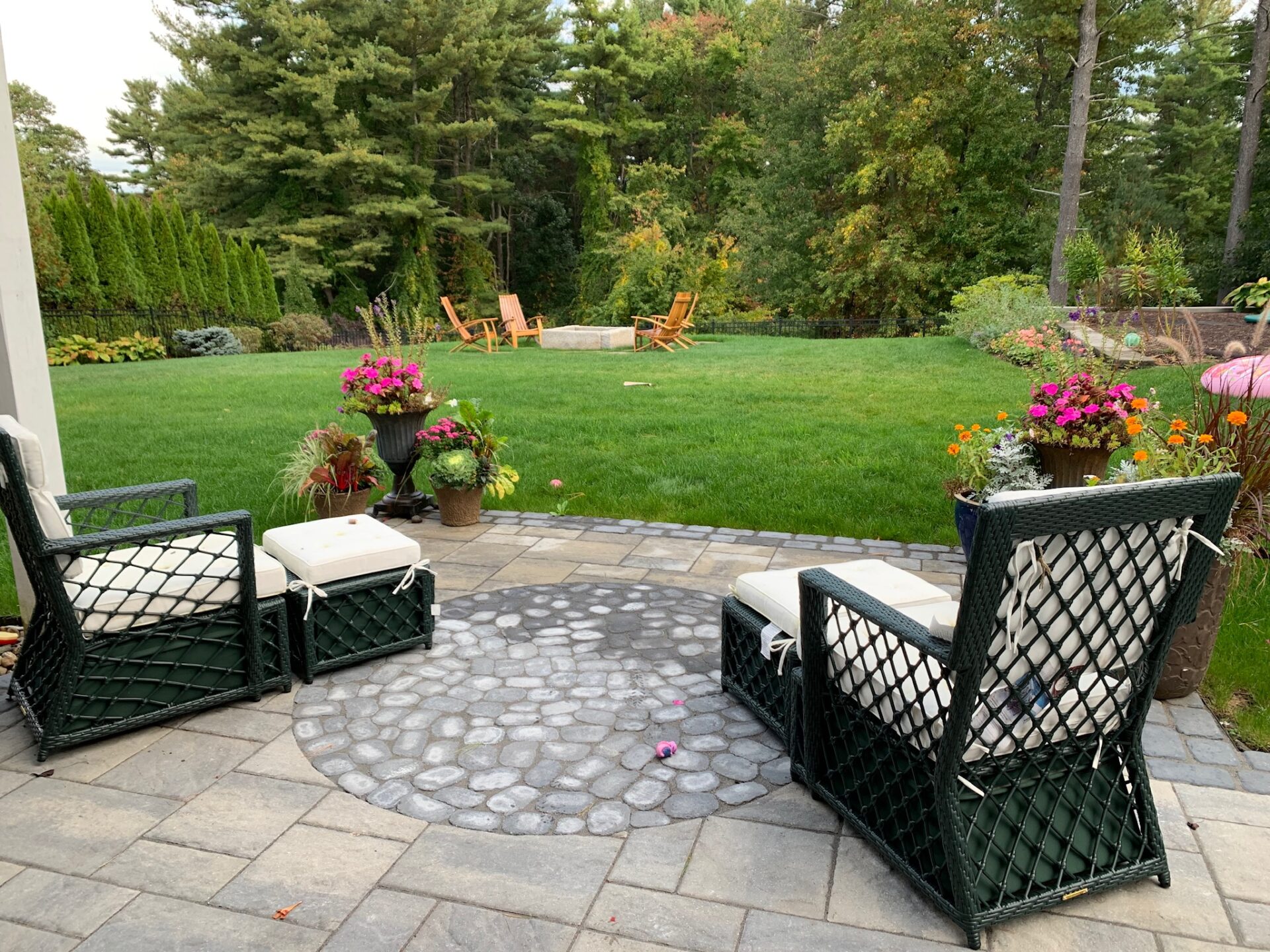
To manage tick exposure, you need a clear picture of where they actually live. Research from the Connecticut Agricultural Experiment Station shows that 82% of tick encounters occur within nine feet of a wooded edge.
Walk your property and look for these high-risk areas:
- Wooded lot lines where your lawn meets tree cover
- Ornamental shrub beds that border wooded sections
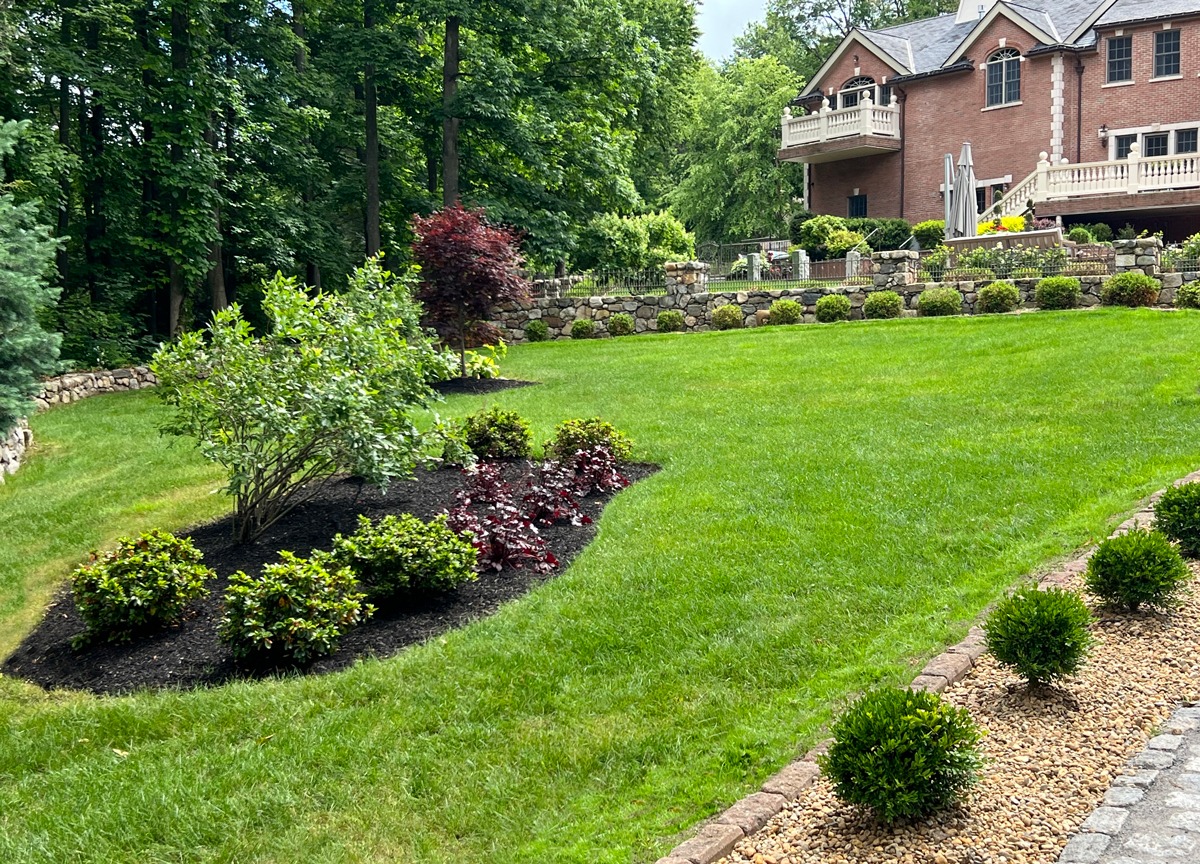
- Stone walls common in older North Andover neighborhoods
- Leaf buildup at fence lines and under hedges
- Deer paths cutting through your yard
If deer pass through your property, they often bring ticks with them. These paths become concentrated corridors of tick activity.
On the other hand, open, sunny lawns are not major concern zones. Ticks dry out quickly in direct sunlight and low humidity. This distinction matters because effective Massachusetts mosquito and tick control programs focus on targeted areas, not the entire yard. By concentrating treatments where ticks actually survive, you avoid unnecessary applications and create a more efficient and intentional approach to yard care.
Understanding your landscape helps you approach tick control in North Andover with precision instead of over-treatment. When you can clearly identify shaded edges, dense plantings, and transition zones, you gain better control over how your property is managed, allowing you to maintain both safety and the overall health of your outdoor environment.
How a Professional Tick and Mosquito Control Program Works
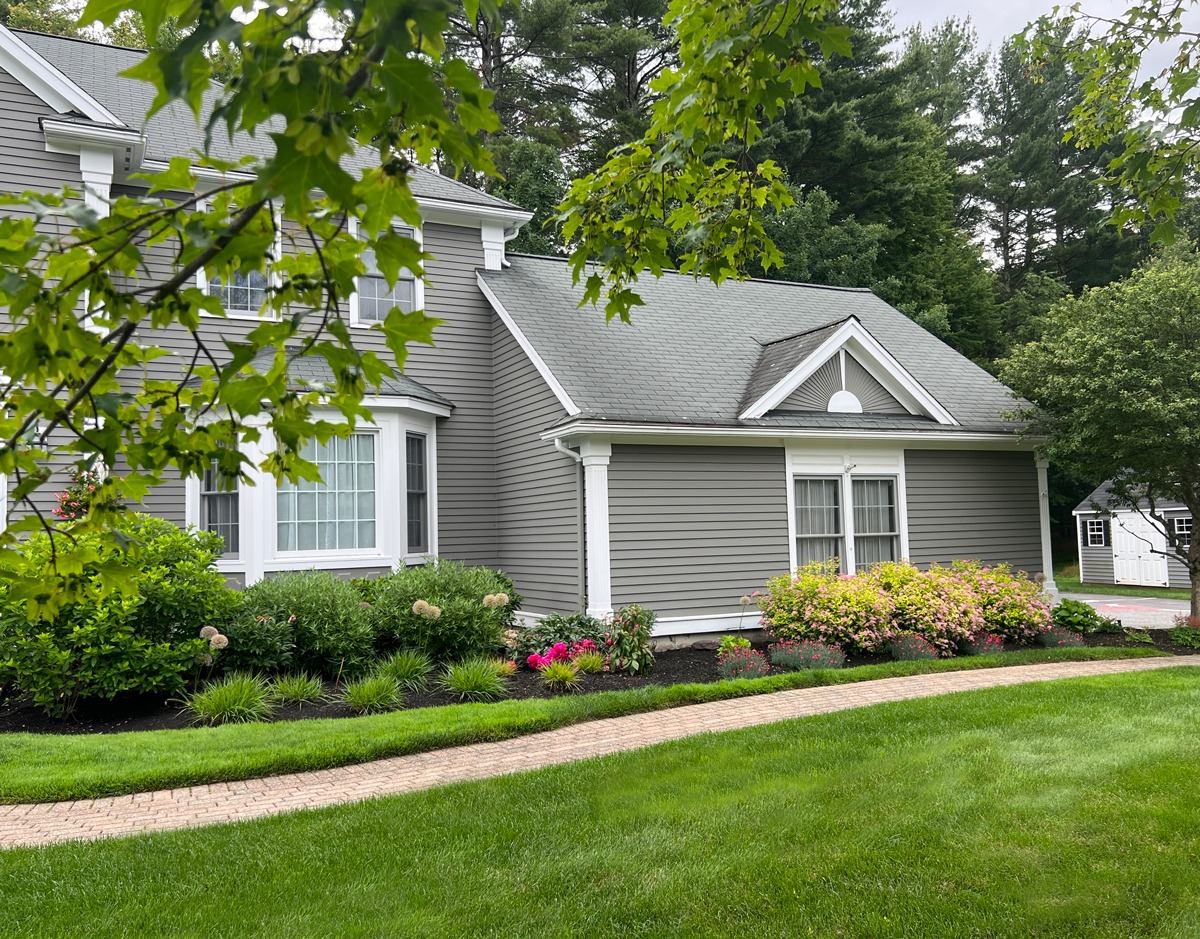
A structured program is built around timing, location, and consistency. Barrier treatments are applied to the areas where ticks and mosquitoes live – not across the entire lawn.
Here’s how a typical program works in North Andover:
- Applications begin in late April, when temperatures consistently reach above 45°F
- Treatments continue every 3-4 weeks through October
- Most programs include 5 to 7 visits during the season
Focus areas include:
- Lawn edges near wooded sections
- Under decks and shaded structures
- Ornamental plant beds
- The base of stone walls and fence lines
Mosquito treatments differ slightly because mosquitoes fly into your yard and rest high up in dense tree canopies, damp shaded areas, and tall vegetation during the day. This is why mosquito spray for programs in North Andover often complement tick treatments rather than replace them; together they protect your property from the ground up.
Between visits, your role matters too:
- Keep your lawn around 3.5 inches tall
- Remove leaf piles and debris
- Clear brush along wooded edges
- Consider a woodchip barrier between lawn and woods
Aligning these maintenance steps with our North Andover Lawn Care Calendar ensures every part of your property care plan is executed at the exact right moment, seamlessly supporting both long-term turf health and effective seasonal pest management.
Organic vs. Conventional Tick and Mosquito Control – Which Is Right for Your Property?
Choosing between organic and conventional approaches comes down to your priorities.
Conventional programs often use bifenthrin-based treatments. These are widely used and provide strong residual protection for several weeks. Massachusetts’ pesticide regulations require that these applications be handled by licensed professionals.
Organic mosquito and tick control in Massachusetts options rely on plant-based ingredients such as cedar oil, rosemary extracts, and garlic formulations. These solutions are often preferred by households looking for a natural approach or properties near sensitive environments.
Here’s how they compare:
- Conventional: longer-lasting, fewer applications, strong tick reduction
- Organic: lower environmental impact, more frequent applications, effective mosquito control
Many Massachusetts homeowners choose a blended approach. For example, a conventional application early in the season during peak tick activity, followed by organic tick control treatments throughout summer.
This structured approach allows your Massachusetts-focused program to stay consistent while still addressing mosquito barrier spray needs effectively. It also helps ensure your yard remains functional, comfortable, and well-managed throughout the season without relying on reactive treatments.
Tick Safety Beyond the Spray Program – What to Do Year-Round

A spray program is only part of the solution. Aligning your daily habits with official CDC Lyme disease prevention guidelines drastically reduces exposure risks.
Here are practical steps you can take:
- Check for ticks after spending time outdoors
- Shower within two hours of coming inside
- Remove leaf litter regularly
- Store firewood off the ground and away from your home
- Keep play areas in sunny, open locations
Pets also play a role. Year-round tick prevention for animals helps reduce the chance of ticks entering your home.
You can also use the Massachusetts Department of Public Health tick identification program. If you find a tick, you can submit it for testing to better understand your exposure risk. This added layer of information helps you make more informed decisions about your yard and any adjustments needed throughout the season.
Relying on a spray program alone isn’t enough when dealing with Essex County tick control challenges. By adding these simple daily habits to your routine, you actively eliminate the hidden risk factors that pesticide barriers can’t reach. Over time, this comprehensive approach builds a much more predictable outdoor space, giving you greater control over your environment and true peace of mind whenever your family is outside.
When to Start a Tick and Mosquito Control Program in North Andover
Timing matters more than most homeowners realize. Waiting until you see a tick often means you’ve already been exposed.
The ideal time to begin tick and mosquito control in North Andover is late April. Starting tick prevention for your North Andover yard during this early window allows you to establish a protective barrier before nymph tick activity reaches its seasonal peak and exposure risks skyrocket.
Here’s how timing affects results:
- Late April start: full seasonal protection
- May start: still effective, but misses early activity
- June or later: protects the remainder of the season only
A professional property assessment removes the guesswork by identifying exactly where pests harbor on your specific lot. At Downer Brothers one of our Guides walks your yard, maps out high-risk transition zones, and map out treatment zones base on real conditions.
Once your protective barrier is established, keeping your landscape well-managed prevents pests from reclaiming those areas. Aligning your Guide’s treatment plan with ongoing Lawn Care and Maintenance services ensures your grass is kept at the proper height and leaf debris is regularly cleared, naturally reducing the damp, shaded conditions where ticks and mosquitoes thrive throughout the season.
Protecting Your North Andover Property Year After Year
Managing tick and mosquito exposure in North Andover is about understanding your environment and acting early. Your yard has unique characteristics—from wooded edges near Harold Parker to shaded landscaping off Osgood Street—that influence how pests behave. Paying attention to these details allows you to make smarter decisions about where to focus your efforts, helping you stay ahead of seasonal activity rather than reacting after issues arise.
When you target the right areas, apply treatments at the right time, and maintain your property consistently, you reduce risk in a meaningful way. However, because New England weather patterns reset every single spring, maintaining a comfortable outdoor space requires a long-term strategy rather than a one-time fix. Over time, a consistent, multi-year approach creates a dependable environment that supports everyday use, whether you’re relaxing outside or hosting family and guests.
Because Essex County tick pressure is real and constantly pressing against your yard, having a professional team handle the execution is simply better. That is why Downer Brothers Landscaping builds custom barrier programs around your property’s specific risk zones, your family’s preferences, and the seasonal timing that matches the North Andover tick calendar. We back our local expertise with consistent crews, clear communication, and absolutely no chasing.
If you are ready to take control of your yard, Request a Consultation today. We will build a customized plan that reflects your yard’s layout, proper seasonal timing, and how you actually use your outdoor space year after year.
Summary
Successful tick control in Massachusetts comes down to timing, targeted treatment, and understanding where ticks live in your yard. Whether you choose a conventional program or opt for organic tick control, focusing on wooded edges and starting early in the season, drastically reduces exposure. Pairing these habitat treatments with a protective mosquito barrier spray ensures full-property coverage through peak pest season. This proactive strategy keeps your patio, lawn, and play areas safe and comfortable for family, friends, and pets all year long.
Tags: