
2026 Landscape Design Trends in North Andover – Ideas & Tips
Landscape design is evolving quickly, and in North Andover many want a yard that reflects their values but worry about options and upkeep. Without a clear plan, plantings may struggle, features can waste money, and designs risk feeling out of place.
To make matters worse, our region’s planting zones range from 5a to 7b, and factors such as wind, soil, and humidity can affect plant health. Add in water restrictions, rising utility costs, and busy schedules, and it’s no wonder many property owners feel stuck. This landscaping guide helps you create a landscape that works for you and supports the place you call home.
Discover five landscape design trends shaping 2026; blending sustainability, smart tech, community, and timeless craftsmanship. As a family-owned business, we value your time and provide the knowledge to make choices that reflect your style, ethics, and love for North Andover. Ready for inspiration? Let’s dive in.
Modern Landscaping Ideas: Sustainable Native Gardens
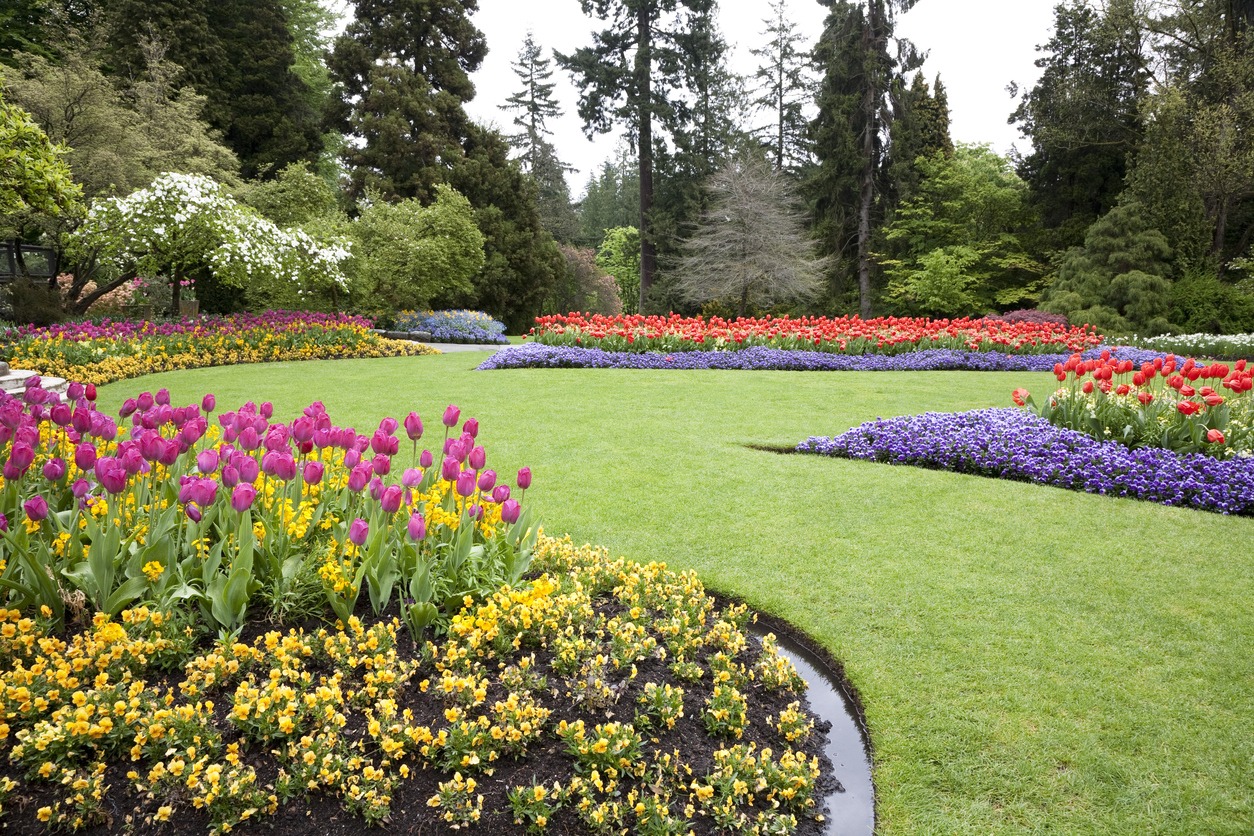
In 2026, sustainability and native plants take center stage. Gardeners are choosing eco-friendly practices and climate-adapted species that support wildlife, conserve water, and thrive in Massachusetts’ zones 5a–7b.
Why natives matter
Native plants like Eastern Redbud, New England Aster, and Northern Bayberry thrive in our climate, need little upkeep, and support pollinators. Cottage-style gardens embrace a kind of romanticism that embraces the wild, blending nostalgia with native species and celebrating free-flowing, abundant design.
Ideas for your property
- Layered native beds – Group plants with similar water and light needs to create cohesive communities. Mix heights and textures to add depth and ensure continuous bloom.
- Pollinator pockets – Dedicate small sections to nectar‑rich plants like coneflower, catmint and yarrow. These species attract bees, butterflies and hummingbirds, supporting the local ecosystem.
- Rain gardens – In low‑lying areas, install a rain garden filled with deep‑rooted natives to capture runoff. Rain gardens filter water naturally and reduce erosion.
- Nativars – Consider “nativars,” cultivated varieties of natives that offer compact sizes or brighter flowers while still providing habitat for wildlife.
Your landscape doesn’t need to follow a strict pattern to feel intentional. With the right guidance, you can create a sustainable garden that reflects your personal style and respects the environment. And because native gardens demand less watering and fewer chemicals, they give you your time back, allowing you to focus on what matters most. When working with a professional team that respects ethics and culture, you can trust that your landscape design trends are handled by people who care about the community.
Smart Tech & Water‑Wise Features
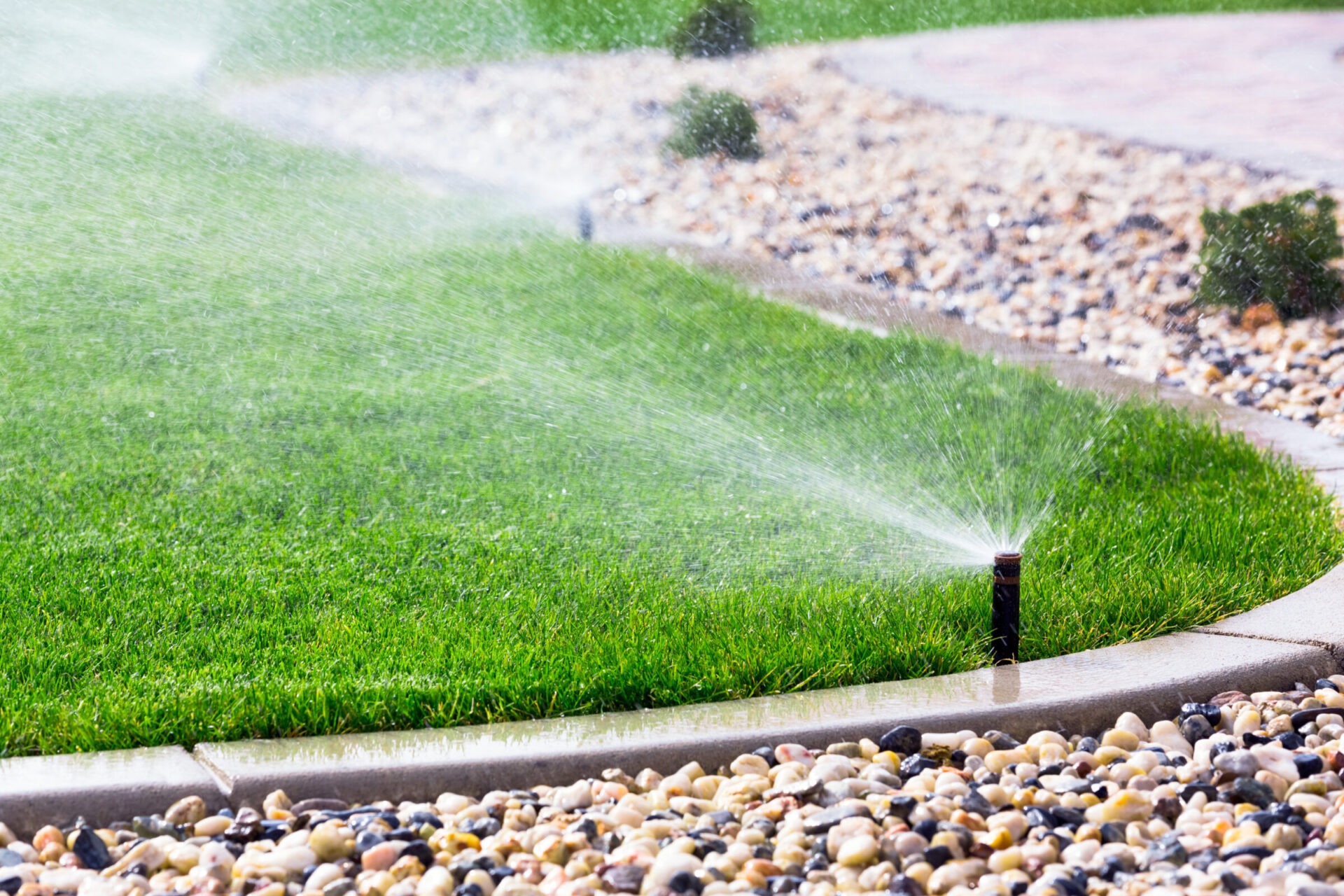
The second major shift in landscape design trends involves smart technology and water conservation. New England homeowners are increasingly embracing smart irrigation, solar lighting and sensor‑driven maintenance systems. With water bans becoming common in Massachusetts summers, efficient irrigation is not just desirable, it’s essential.
Intelligent watering
Smart irrigation controllers adjust watering schedules based on weather forecasts and soil moisture, ensuring your garden gets exactly what it needs without waste. Drip irrigation delivers water directly to plant roots, minimizing evaporation and runoff. Rainwater harvesting systems collect storm water for reuse, reducing reliance on municipal supplies. These innovations align with our goal of giving professionals their time back: once installed, you can largely forget about watering and trust that your system is working efficiently.
Energy‑efficient lighting
Low‑voltage lighting is surging in popularity because it improves safety and ambience while reducing energy use. Pathway lights guide guests, uplighting accentuates trees or walls and under‑lighting adds a warm glow to steps or retaining walls. Solar‑powered lights and app‑controlled systems allow you to adjust brightness and color remotely, creating a tailored environment for gatherings without increasing utility bills.
Digital tools & robotics
Soil sensors, robotic mowers, and smart apps simplify care, from monitoring conditions to managing lighting and irrigation. With the right professionals, you get these time-saving tools through one trusted point of contact.
Smart technology isn’t about replacing craftsmanship; it’s about complementing it. You still benefit from professional expertise and value, but you also leverage tools that make your yard easier to maintain. With landscape design trends focusing on water‑wise practices and efficiency, modern systems help you honor water restrictions while keeping your garden healthy.
Outdoor Living Spaces & Community Connection
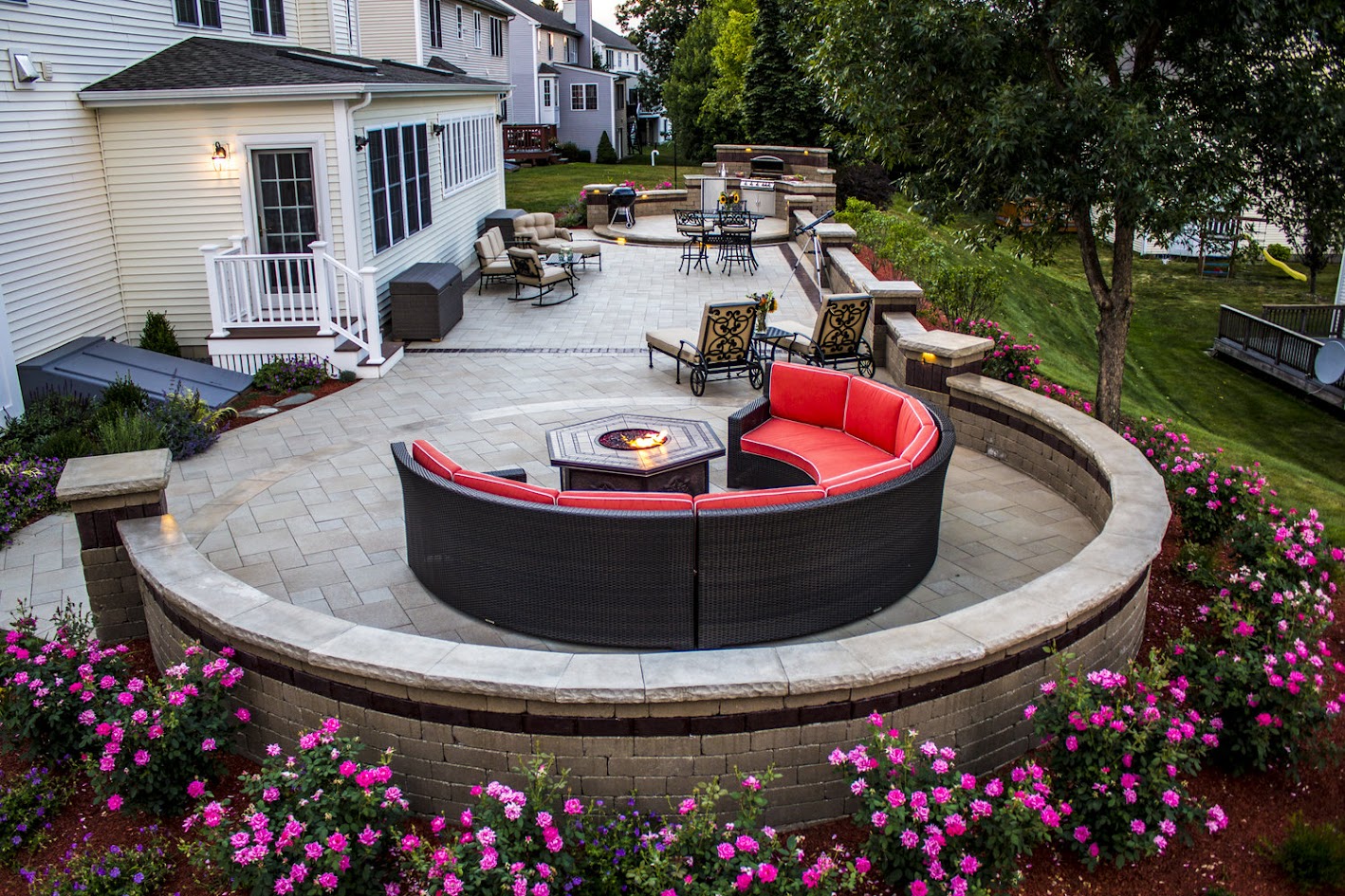
Another strong theme in landscape design trends is the integration of outdoor living spaces that feel like extensions of your home. In Massachusetts, homeowners are investing in patios, decks, kitchens and fire pits to create multi‑season areas for relaxation and social gatherings. This trend has roots in the idea that outdoor spaces are no longer afterthoughts: they’re an essential part of daily life.
Designing for comfort & function
Thoughtful hardscaping uses durable materials like natural stone, composite decking or brick to create comfortable gathering areas. Pergolas and covered patios incorporate weather‑resistant furniture, built‑in heating, and retractable screens, allowing you to enjoy the outdoors even during cooler months. Fire pits and fireplaces add warmth and ambiance, while outdoor kitchens transform your yard into a venue for cooking and entertaining.
A space for everyone
Outdoor living isn’t just about luxury; it’s about creating a welcoming environment for friends, family and neighbors. Gardens designed for mental well‑being include quiet corners with seating, meditation areas and spaces for reading or conversation. They become sanctuaries where you can recharge. Designers also encourage converting unused strips, rooftops or driveways into pollinator gardens or outdoor living spaces, ensuring every square foot contributes to people and wildlife.
Connecting with your community
As a family‑owned company deeply involved in the North Andover community, we believe landscapes should foster connection. Our approach puts you in touch with one professional who handles your project from start to finish. You get clear communication, accountability and a partner who cares about developing people, ethics and culture. When your yard becomes a place where you host barbecues, chat with neighbors and watch children play, you’re not just following landscape design trends, you’re strengthening your community. That’s why we say love what you do: your outdoor space should bring joy to you and those around you.
Low‑Maintenance Designs & Resilient Plants
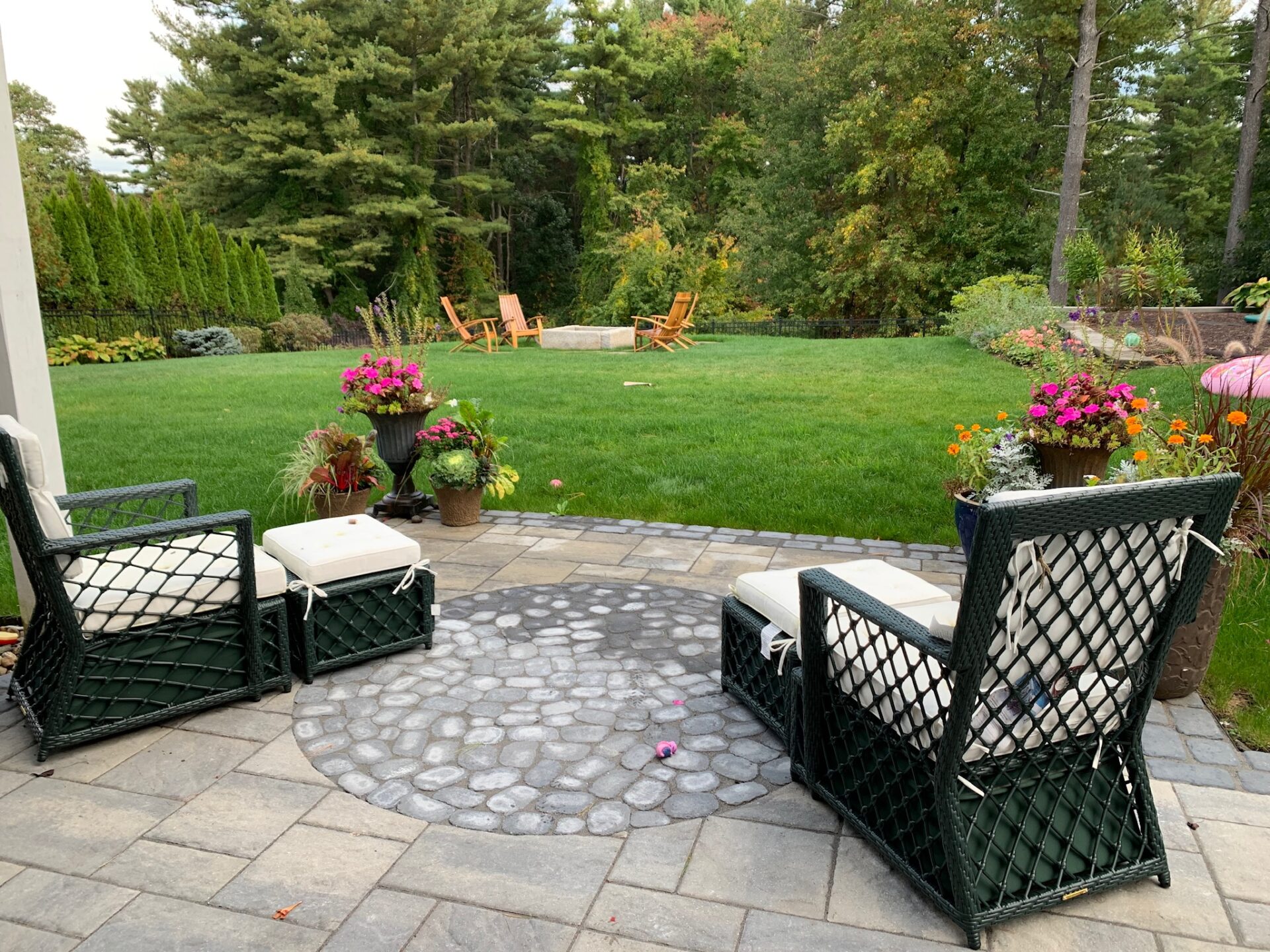
With busy schedules, many property owners want landscapes that look great without constant upkeep. Low‑maintenance, naturalistic gardens are among the top landscape design trends for 2026. They use perennial plants, ground covers and mulching to create beautiful, resilient spaces that require minimal intervention.
Natural lawns & ground covers
Clover lawns, native grasses and wildflower meadows are replacing manicured turf. These alternatives need less mowing and chemical treatments and support biodiversity. Ground covers like creeping thyme and sedum suppress weeds, reduce soil erosion and offer aromatic foliage. Artificial turf and self‑cleaning pavers provide attractive surfaces without watering or weeding. By reducing maintenance tasks, you free up more time for other pursuits.
Mulching & drip irrigation
Mulch retains soil moisture, suppresses weeds, and improves soil quality. Organic mulches such as shredded bark decompose over time, enriching soil. Pair this with drip irrigation for efficient watering. Smart controllers adjust watering based on weather conditions, conserving water while keeping plants healthy. These techniques align perfectly with our commitment to providing value and respecting your time.
Resilient plant choices
Hardy perennials like Black-eyed Susans, daylilies, and hostas thrive with little care, while trees and shrubs such as ginkgo, redbud, and coneflower handle tough conditions. With resilient alternatives like inkberry holly and Pyracomeles, you can build a sustainable, long-lasting landscape.
Low‑maintenance design doesn’t mean sacrificing beauty. It means combining science with artistry to craft spaces that work with nature rather than against it. When you partner with professionals who have a high level of skill and expertise, you get a resilient landscape that stands the test of time, saving you money and effort while following modern landscape design trends.
Edible Gardens & Pollinator‑Friendly Spaces
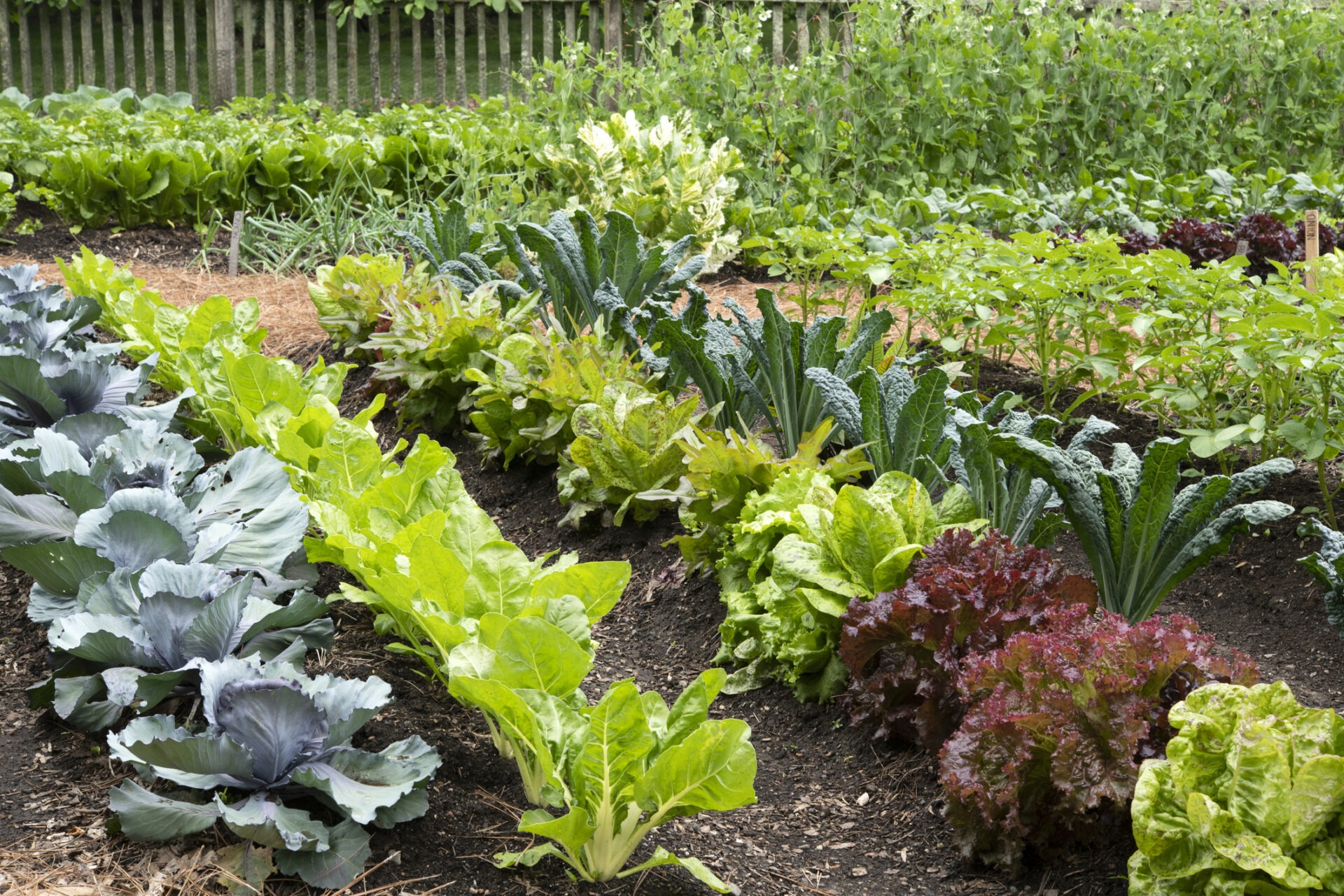
The final trend shaping landscape design trends for 2026 is the integration of edible and pollinator‑friendly gardens. Rising grocery prices and a desire for fresh, organic food have led many homeowners to convert parts of their yard into vegetable patches, herb gardens, and food forests. At the same time, there’s growing recognition of the benefits of supporting bees, birds, and butterflies.
Growing your own food
Edible gardens blend beauty with functionality. Raised beds, vertical herb gardens, and fruit trees allow you to cultivate fresh produce at home. This trend is particularly rewarding in New England, where the seasonal climate makes homegrown food both practical and satisfying. Integrate edibles into your ornamental beds or create dedicated kitchen gardens, you decide. The key is to design them so they fit naturally with the rest of your landscape.
Pollinator habitats
Pollinator gardens are flourishing nationwide. Plant species like salvia, yarrow, catmint, cosmos and lavender to attract bees and butterflies. Leave seed heads and fading perennials in place during fall and winter; this less tidy approach provides shelter for insects and enhances the garden’s quiet beauty. Native plants and nativars supply nectar and habitat while remaining adaptable to residential settings.
Designing for wellbeing & community
Edible and pollinator gardens boost well-being, encouraging you to slow down, nurture plants, and share harvests with neighbors. They foster community while reflecting your values. With a family-owned company as your single touch point, you’ll get expert guidance on plant selection, layout, and care, ensuring confidence in every step.
Bringing It All Together
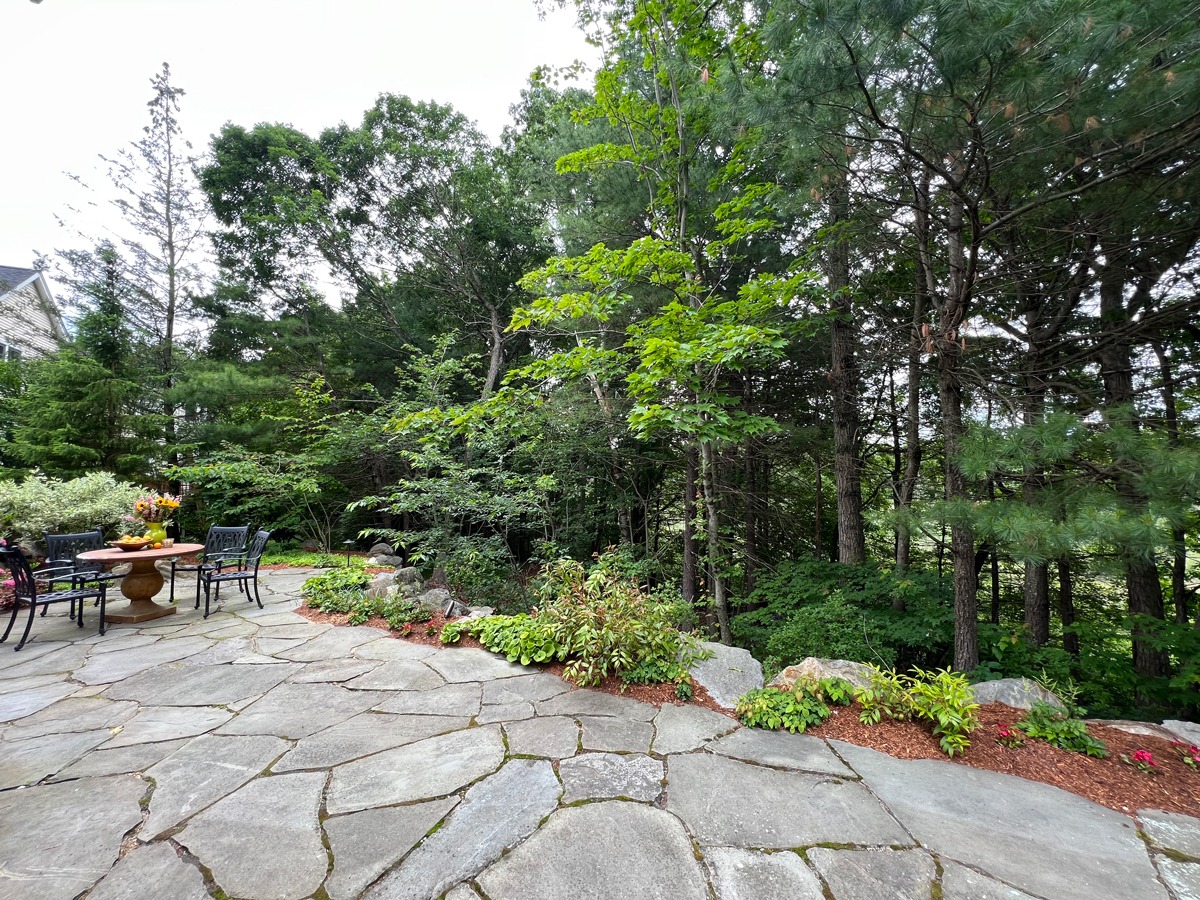
By embracing these landscape design trends, you can create an outdoor environment that feels personal, sustainable and connected to North Andover. Use native plants to build resilient garden beds; adopt smart irrigation and lighting to save water and energy; design outdoor living areas that welcome friends and family; choose low‑maintenance features and resilient species; and integrate edible and pollinator gardens for beauty and bounty.
Every project begins with understanding your goals and ends with a landscape that makes you proud. Let’s explore how these trends can transform your outdoor space. Ready to begin? Request a consultation today.
Summary
This blog explored the top landscape design trends shaping North Andover in 2026. Sustainable native gardens use plants adapted to our climate and support pollinators. Smart tech and water‑wise features, including drip irrigation and low‑voltage lighting, conserve resources and reduce maintenance. Outdoor living spaces create comfortable areas for gatherings, while low‑maintenance designs rely on hardy perennials, ground covers and mulching. Edible gardens and pollinator habitats provide fresh produce and support wildlife. By adopting these modern landscaping ideas, you can craft a yard that reflects your values and enhances your life.
Tags: